
UNDERSTANDING TEST RESULTS:
The FTIR has a detection limit of approximately 5%. Substances below this level may not appear in results — even if they are toxic or affect the potency of your sample.
When possible, we may provide a percentage estimate based on what the FTIR detects. These numbers are generated by software and reflect only the visible components — not the full composition of the sample. The FTIR cannot isolate individual substances in complex mixtures, so any percentage estimates are approximate. They may not reflect actual potency, and similar-looking samples can yield different results – therefore our results are not suitable for purity testing.
Undetected ingredients below the detection threshold may influence the composition. Any percentages listed intended only as a general indication of how the identified ingredients are distributed within the sample. Due to this, our results should not be used to determine exact dosages.
Additionally, a sample may not reflect the full composition of a drug. For example, testing a portion of a pill may not represent the rest of the pill, or other pills from the same batch. Cross-contamination between samples stored together can also affect results.
When we detect only one substance, we don’t provide a percentage because other ingredients might still be present below the 5% detection limit.
Treat any percentage result as a rough guideline, not a precise measurement.
Tests highlighted in red indicate particularly dangerous or unexpected results. Flagged samples can alslo be viewed on our Alerts page.
We also use test strips to detect the presence of fentanyl, benzodiazapenes, and lysergamide (LSD).
CLICK HERE FOR DETAILED LIMITATIONS AND WARNINGS ABOUT OUR DRUG ANALYSIS RESULTS.
Be smart. Be safe. Know what you’re taking.
| Image | Details | Sold as | Results | Test strip results | Notes | Location | Date | ||||||||
|---|---|---|---|---|---|---|---|---|---|---|---|---|---|---|---|
 | Category: Psychedelic Light Purple Crystal | MDMA |
| Fentanyl: Negative | Vancouver, BC | 03/29/2025 | |||||||||
 | Category: Psychedelic White Crystal | MDMA |
| Fentanyl: Negative | Vancouver, BC | 03/29/2025 | |||||||||
 | Category: Psychedelic Grey Crystal | MDMA |
| Fentanyl: Negative Benzodiazepine: Negative | Vancouver, BC | 03/29/2025 | |||||||||
 | Category: Depressant White Granules Code: silencia | Alprazolam |
| Fentanyl: Negative Benzodiazepine: Positive | Polyvinylpyrrolidone is a common pill filler/binder. The uncertain match shares similarities to multiple benzodiazepines, including bromazolam. There appears to be a larger than normal amount indicating that this could be stronger than expected.We recommend practicing harm reduction techniques when using this substance, such as starting with a low dose and not using by yourself. | Vancouver, BC | 03/29/2025 | ||||||||
 | Category: Psychedelic Light Grey Crystal | MDMA |
| Fentanyl: Negative | Vancouver, BC | 03/29/2025 | |||||||||
 | Category: Psychedelic Light Grey Crystal | MDMA |
| Fentanyl: Negative | Vancouver, BC | 03/29/2025 | |||||||||
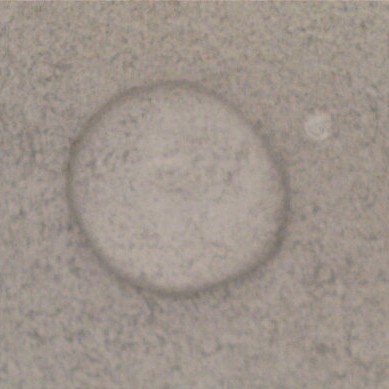 | Category: Depressant Colourless Liquid | GHB |
| Fentanyl: Negative | Vancouver, BC | 03/29/2025 | |||||||||
 | Category: Unknown Light Brown Granules | Unknown |
| Fentanyl: Negative Benzodiazepine: Negative | Vancouver, BC | 03/29/2025 | |||||||||
 | Category: Psychedelic White Powder | Ketamine |
| Fentanyl: Negative | Vancouver, BC | 03/29/2025 | |||||||||
 | Category: Opioid White Granules Code: silencia | Hydromorphone |
| Fentanyl: Negative Benzodiazepine: Negative | Vancouver, BC | 03/29/2025 | |||||||||
 | Category: Stimulant White Granules | Cocaine |
| Fentanyl: Negative | Vancouver, BC | 03/29/2025 | |||||||||
 | Category: Psychedelic White Powder | MDA |
| Fentanyl: Negative | Vancouver, BC | 03/29/2025 | |||||||||
 | Category: Psychedelic White Powder | MDMA |
| Fentanyl: Negative | Vancouver, BC | 03/29/2025 | |||||||||
 | Category: Opioid Light Green Granules | Fentanyl |
| Fentanyl: Positive Benzodiazepine: Positive | Vancouver, BC | 03/29/2025 | |||||||||
 | Category: Stimulant White Granules Code: silencia | Cocaine |
| Fentanyl: Negative | Vancouver, BC | 03/29/2025 | |||||||||
 | Category: Unknown White Crystal | Unknown |
| Fentanyl: Negative Benzodiazepine: Negative | Vancouver, BC | 03/29/2025 | |||||||||
 | Category: Unknown Colourless Crystal | Unknown |
| Fentanyl: Negative Benzodiazepine: Negative | Vancouver, BC | 03/29/2025 | |||||||||
 | Category: Psychedelic White Powder Code: beebop | MDMA |
| Fentanyl: Negative | Vancouver, BC | 03/29/2025 | |||||||||
 | Category: Other White Tablet Code: shagger 3 | Sildenafil |
| Fentanyl: Negative | Vancouver, BC | 03/29/2025 | |||||||||
 | Category: Other White Tablet Code: shagger 2 | Sildenafil and Tadalafil |
| Fentanyl: Negative | Vancouver, BC | 03/29/2025 | |||||||||
 | Category: Psychedelic Colourless Crystal Code: beebop KR2 | Ketamine |
| Fentanyl: Negative | Vancouver, BC | 03/29/2025 | |||||||||
 | Category: Psychedelic Colourless Crystal Code: beebop KR1 | Ketamine |
| Fentanyl: Negative | Vancouver, BC | 03/29/2025 | |||||||||
 | Category: Other Green Tablet Code: shagger 1 | Pramipexole |
| Fentanyl: Negative | Imprint: J. This sample is mostly pill fillers, binders and coating, with a small quantity of pramipexole. | Vancouver, BC | 03/29/2025 | ||||||||
 | Category: Psychedelic Colourless Crystal Code: beebop KS1 | Ketamine |
| Fentanyl: Negative | Vancouver, BC | 03/29/2025 | |||||||||
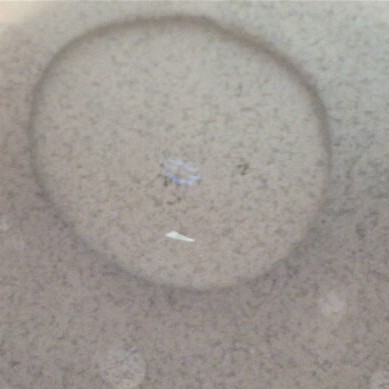 | Category: Other Colourless Liquid Code: Mast M | Drostanolone Enanthate |
| Fentanyl: Negative | This sample most closely resembles testosterone cypionate but can not be confirmed as such. | Vancouver, BC | 03/29/2025 | ||||||||
 | Category: Psychedelic Colourless Crystal Code: beebop K5 | Ketamine |
| Fentanyl: Negative | Vancouver, BC | 03/29/2025 | |||||||||
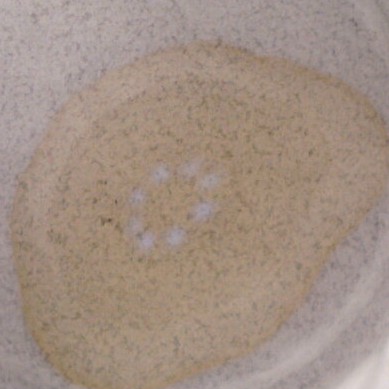 | Category: Other Light Yellow Liquid Code: Test E | Testosterone Enanthate |
| Fentanyl: Negative | Vancouver, BC | 03/29/2025 | |||||||||
 | Category: Opioid Brown Paste Code: teddy bear 4 | Opium |
| Fentanyl: Negative Benzodiazepine: Negative | Please contact us in regard to this sample if you believe it to be yours. | Vancouver, BC | 03/29/2025 | ||||||||
 | Category: Opioid Orange Flake | Fentanyl |
| Fentanyl: Negative Benzodiazepine: Negative | MD-MAPA is a chemical used in the synthesis of MDMA, methamphetamine and amphetamine. There is little information available regarding its toxicity or whether it displays any psychoactive effects. Its physical appearance looks quite similar to raw fentanyl and is thought to be confused as such thus ending up in the down supply. | Vancouver, BC | 03/29/2025 | ||||||||
 | Category: Unknown Light Grey Crystal | Unknown |
| Fentanyl: Negative Benzodiazepine: Negative | Vancouver, BC | 03/29/2025 | |||||||||
 | Category: Unknown White Crystal | Unknown |
| Fentanyl: Negative Benzodiazepine: Negative | Vancouver, BC | 03/29/2025 | |||||||||
 | Category: Psychedelic White Powder Code: blueberry | MDMA |
| Fentanyl: Negative | We did not detect any MDMA in this sample though it's possible it is present below our FTIR's 5% detection limit. | Vancouver, BC | 03/28/2025 | ||||||||
 | Category: Stimulant White Powder Code: checking | Cocaine |
| Fentanyl: Negative Benzodiazepine: Negative | This cocaine looks to be heavily cut. Levamisole is a veterinary drug used to treat parasitic worm infections often used as a cut in cocaine. It is not recommended for use in humans due to its ability to lower white blood cell count and can provoke other adverse reactions such as abdominal pain, vomiting, headache, dizziness, muscle tremors, ataxia and seizure. Creatine is a compound found naturally in the human body. It is also used as a supplement for gaining muscle mass and is found cut into substances due to it being a widely-available white powder. Side effects include dehydration. | Vancouver, BC | 03/28/2025 | ||||||||
 | Category: Psychedelic Pink Crystal Code: rain | MDMA |
| Fentanyl: Negative | Vancouver, BC | 03/28/2025 | |||||||||
 | Category: Stimulant White Powder | Cocaine |
| Fentanyl: Negative | Vancouver, BC | 03/28/2025 | |||||||||
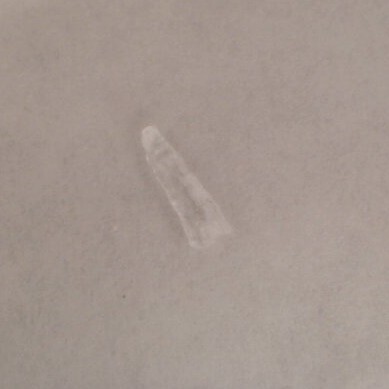 | Category: Stimulant White Crystal | Methamphetamine |
| Fentanyl: Negative | Vancouver, BC | 03/28/2025 | |||||||||
 | Category: Psychedelic White Crystal Code: twinky | MDMA |
| Fentanyl: Negative | Vancouver, BC | 03/28/2025 | |||||||||
 | Category: Psychedelic White Crystal Code: twinky | Ketamine |
| Fentanyl: Negative | Vancouver, BC | 03/28/2025 | |||||||||
 | Category: Psychedelic Light Purple Crystal Code: goose 3 | MDMA |
| Fentanyl: Negative | Vancouver, BC | 03/28/2025 | |||||||||
 | Category: Psychedelic Light Purple Crystal Code: goose 2 | MDMA |
| Fentanyl: Negative | Vancouver, BC | 03/28/2025 | |||||||||
 | Category: Psychedelic Colourless Crystal | Ketamine |
| Fentanyl: Negative | Vancouver, BC | 03/28/2025 | |||||||||
 | Category: Stimulant White Powder | Cocaine |
| Fentanyl: Negative | Vancouver, BC | 03/28/2025 | |||||||||
 | Category: Psychedelic Dark Grey Crystal Code: goose 1 | MDMA |
| Fentanyl: Negative | Vancouver, BC | 03/28/2025 | |||||||||
 | Category: Stimulant Brown Crystal | 4-MMC |
| Fentanyl: Negative | Vancouver, BC | 03/28/2025 | |||||||||
 | Category: Psychedelic Red Powder | MDMA |
| Fentanyl: Negative | Vancouver, BC | 03/28/2025 | |||||||||
 | Category: Unknown White Powder Code: canoe | Unknown |
| Fentanyl: Negative Benzodiazepine: Negative | Vancouver, BC | 03/28/2025 | |||||||||
 | Category: Psychedelic White Granules | Ketamine |
| Fentanyl: Negative | Vancouver, BC | 03/28/2025 | |||||||||
 | Category: Psychedelic Purple Crystal Code: flower 2 | MDMA |
| Fentanyl: Negative | Vancouver, BC | 03/28/2025 | |||||||||
 | Category: Unknown White Powder | Unknown |
| Fentanyl: Negative Benzodiazepine: Negative | This sample shares similarities with Poly(ethyl methacrylate) aka PEMA & various polymers. The sample was notably hydrophobic. | Vancouver, BC | 03/28/2025 | ||||||||
 | Category: Psychedelic Light Purple Crystal Code: flower 1 | MDMA |
| Fentanyl: Negative | Unfortunately the remaining signal of the uncertain match is too small to confirm with anything in our reference database. | Vancouver, BC | 03/28/2025 | ||||||||