
UNDERSTANDING TEST RESULTS:
The FTIR has a detection limit of approximately 5%. Substances below this level may not appear in results — even if they are toxic or affect the potency of your sample.
When possible, we may provide a percentage estimate based on what the FTIR detects. These numbers are generated by software and reflect only the visible components — not the full composition of the sample. The FTIR cannot isolate individual substances in complex mixtures, so any percentage estimates are approximate. They may not reflect actual potency, and similar-looking samples can yield different results – therefore our results are not suitable for purity testing.
Undetected ingredients below the detection threshold may influence the composition. Any percentages listed intended only as a general indication of how the identified ingredients are distributed within the sample. Due to this, our results should not be used to determine exact dosages.
Additionally, a sample may not reflect the full composition of a drug. For example, testing a portion of a pill may not represent the rest of the pill, or other pills from the same batch. Cross-contamination between samples stored together can also affect results.
When we detect only one substance, we don’t provide a percentage because other ingredients might still be present below the 5% detection limit.
Treat any percentage result as a rough guideline, not a precise measurement.
Tests highlighted in red indicate particularly dangerous or unexpected results. Flagged samples can alslo be viewed on our Alerts page.
We also use test strips to detect the presence of fentanyl, benzodiazapenes, and lysergamide (LSD).
CLICK HERE FOR DETAILED LIMITATIONS AND WARNINGS ABOUT OUR DRUG ANALYSIS RESULTS.
Be smart. Be safe. Know what you’re taking.
| Image | Details | Sold as | Results | Test strip results | Notes | Location | Date | ||||||||||
|---|---|---|---|---|---|---|---|---|---|---|---|---|---|---|---|---|---|
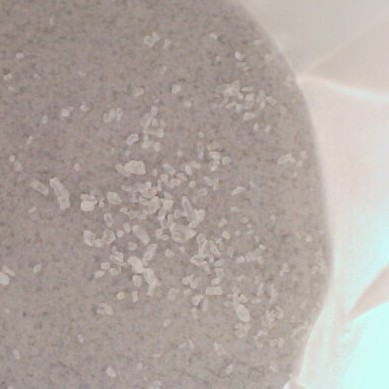 | Category: Unknown White Crystal | Unknown |
| Fentanyl: Negative Benzodiazepine: Negative | Vancouver, BC | 06/15/2024 | |||||||||||
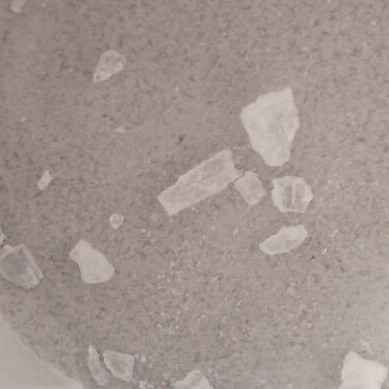 | Category: Unknown White Crystal | Unknown |
| Fentanyl: Negative Benzodiazepine: Negative | Vancouver, BC | 06/15/2024 | |||||||||||
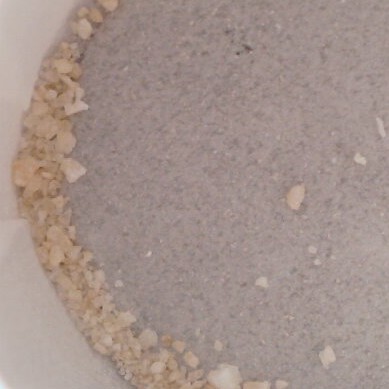 | Category: Stimulant Light Brown Crystal | 4-MMC |
| Fentanyl: Negative | Vancouver, BC | 06/15/2024 | |||||||||||
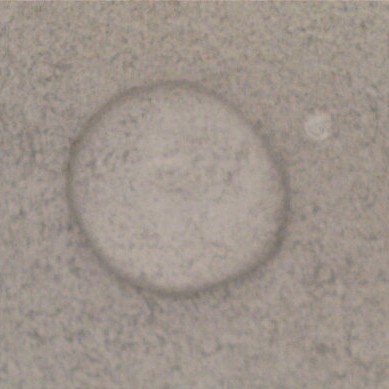 | Category: Depressant Colourless Liquid Code: cuza0 | GHB |
| Fentanyl: Negative | Anonymous, BC | 06/15/2024 | |||||||||||
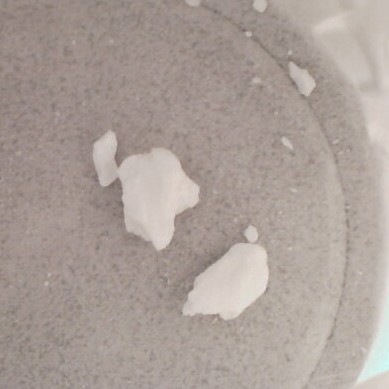 | Category: Stimulant White Granules | Cocaine |
| Fentanyl: Negative | Vancouver, BC | 06/15/2024 | |||||||||||
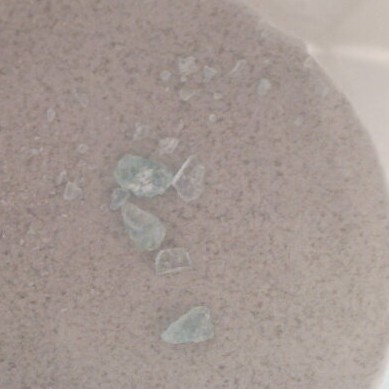 | Category: Psychedelic Blue Crystal | MDMA |
| Fentanyl: Negative | Vancouver, BC | 06/15/2024 | |||||||||||
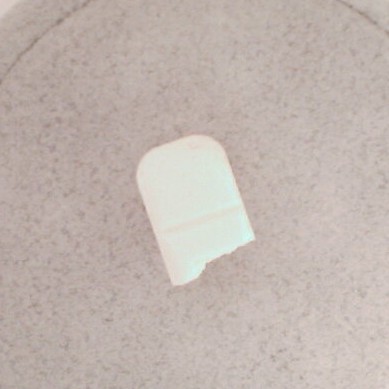 | Category: Depressant White Chunk Code: cuza0 | Alprazolam |
| Fentanyl: Negative Benzodiazepine: Positive | The uncertain match in this sample resembles some common pill binders/fillers but could not be confirmed. This sample appears to contain a benzodiazepine below our 5% detection limit, which is an expected result for this sort of sample. | Anonymous, BC | 06/15/2024 | ||||||||||
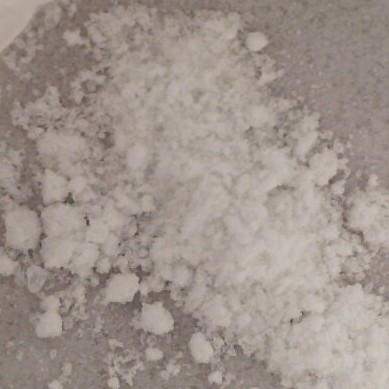 | Category: Psychedelic White Powder Code: cuza0 | MDMA |
| Fentanyl: Negative | Anonymous, BC | 06/15/2024 | |||||||||||
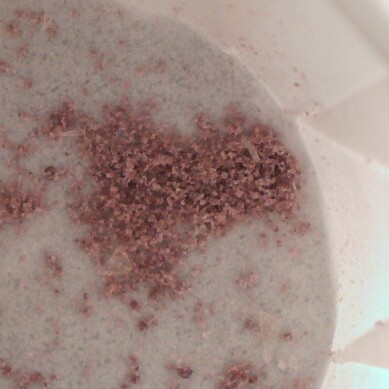 | Category: Psychedelic Purple Crystal Code: bratta | MDMA |
| Fentanyl: Negative | Vancouver, BC | 06/15/2024 | |||||||||||
 | Category: Psychedelic Yellow Pressed Pill Code: cuza0 | 2C-B HCl |
| Fentanyl: Negative | Imprint: Toad. This sample shares a number of similarities with 2C-B, but is not an exact match for our reference spectra. As all of the 2C-family substances look very similar by FTIR, we cannot definitively say that this sample is 2C-B. The 2C-family chemicals vary in effect from being totally inactive to fully psychedelic. | Anonymous, BC | 06/15/2024 | ||||||||||
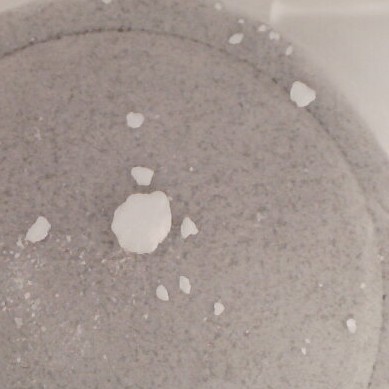 | Category: Unknown White Powder | Unknown |
| Fentanyl: Negative Benzodiazepine: Negative | Vancouver, BC | 06/15/2024 | |||||||||||
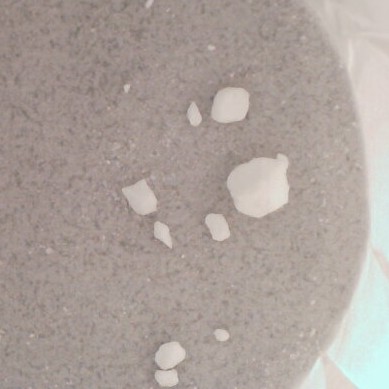 | Category: Unknown White Granules | Unknown |
| Fentanyl: Negative Benzodiazepine: Negative | Vancouver, BC | 06/15/2024 | |||||||||||
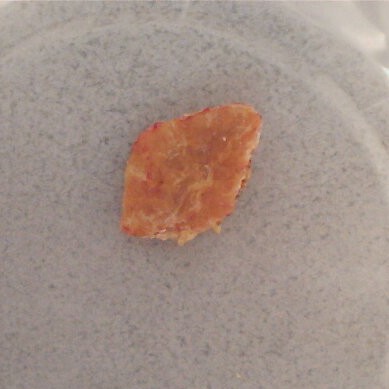 | Category: Unknown Brown Pebble | Unknown |
| Fentanyl: Positive Benzodiazepine: Negative | The uncertain match in this sample may be leftover precursors and/or solvents. | Vancouver, BC | 06/15/2024 | ||||||||||
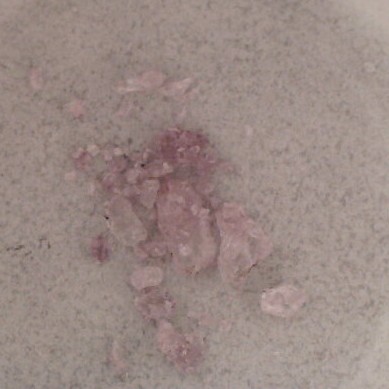 | Category: Psychedelic Light Purple Crystal | MDMA |
| Fentanyl: Negative | Vancouver, BC | 06/15/2024 | |||||||||||
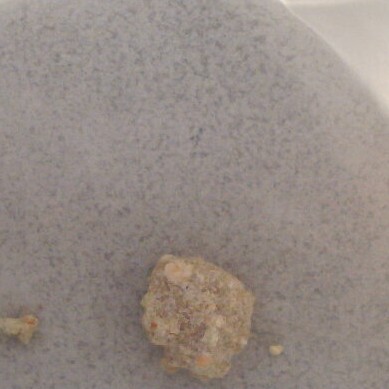 | Category: Opioid Green Pebble | Down |
| Fentanyl: Positive Benzodiazepine: Negative | Vancouver, BC | 06/15/2024 | |||||||||||
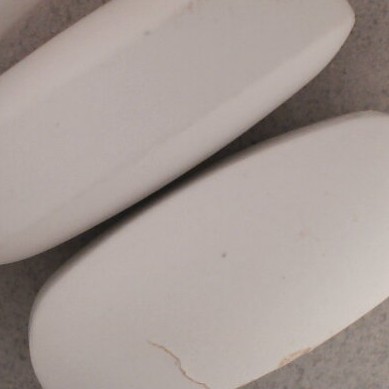 | Category: Unknown White Tablet | Unknown |
| Fentanyl: Negative Benzodiazepine: Negative | This sample shared some similarities with various amino acids | Vancouver, BC | 06/15/2024 | ||||||||||
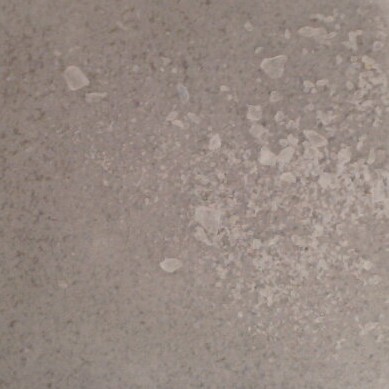 | Category: Psychedelic Colourless Crystal | MDA |
| Fentanyl: Negative | Vancouver, BC | 06/15/2024 | |||||||||||
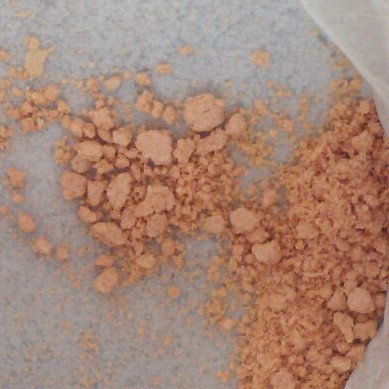 | Category: Unknown Brown Powder | Unknown |
| Fentanyl: Positive Benzodiazepine: Negative | The uncertain match in this sample may be a fentanyl analog or precursor. | Vancouver, BC | 06/15/2024 | ||||||||||
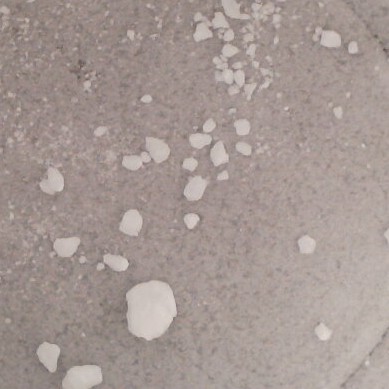 | Category: Stimulant White Granules | Cocaine |
| Fentanyl: Negative | Vancouver, BC | 06/15/2024 | |||||||||||
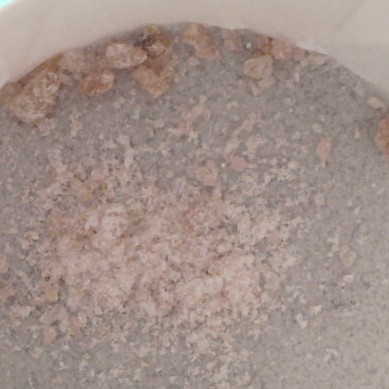 | Category: Psychedelic Light Brown Crystal | MDMA |
| Fentanyl: Negative | Vancouver, BC | 06/15/2024 | |||||||||||
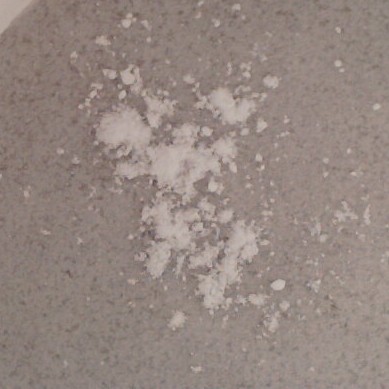 | Category: Stimulant White Powder | Cocaine |
| Fentanyl: Negative | Vancouver, BC | 06/15/2024 | |||||||||||
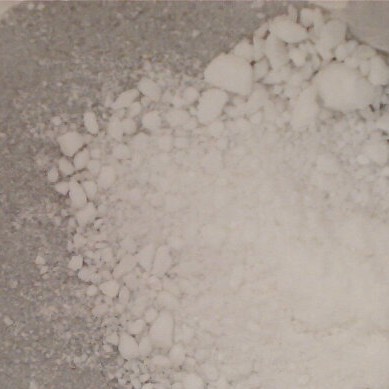 | Category: Stimulant White Powder Code: RR0603D | Cocaine |
| Fentanyl: Negative | Anonymous, BC | 06/15/2024 | |||||||||||
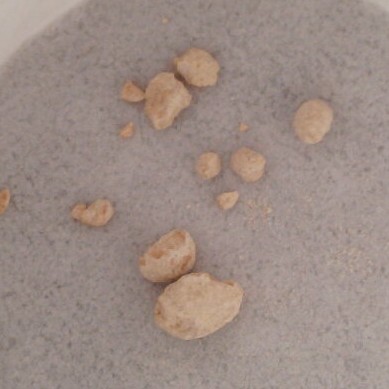 | Category: Opioid Light Brown Pebble | Heroin |
| Fentanyl: Negative Benzodiazepine: Negative | Vancouver, BC | 06/15/2024 | |||||||||||
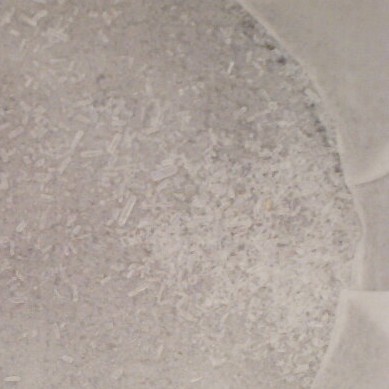 | Category: Psychedelic Colourless Crystal Code: RR0603C | Ketamine |
| Fentanyl: Negative | Anonymous, BC | 06/15/2024 | |||||||||||
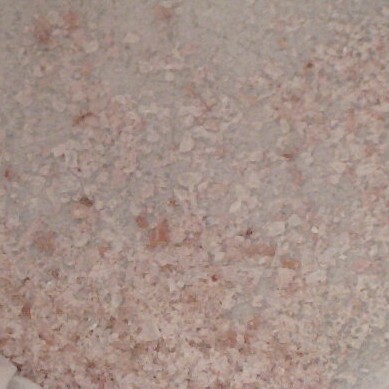 | Category: Psychedelic Pink Crystal Code: RR0603B | MDMA |
| Fentanyl: Negative | Anonymous, BC | 06/15/2024 | |||||||||||
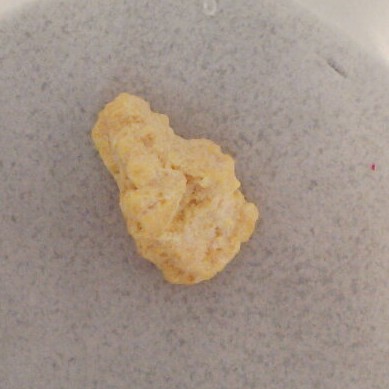 | Category: Opioid Yellow Pebble | Down |
| Fentanyl: Positive Benzodiazepine: Positive | Vancouver, BC | 06/15/2024 | |||||||||||
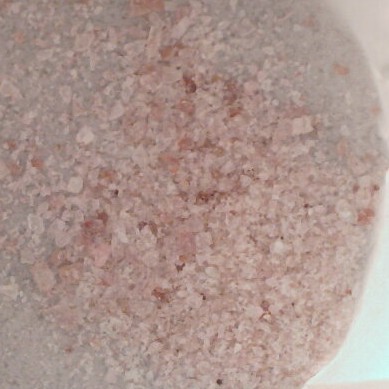 | Category: Psychedelic Pink Crystal Code: RR0603A | MDMA |
| Fentanyl: Negative | Anonymous, BC | 06/15/2024 | |||||||||||
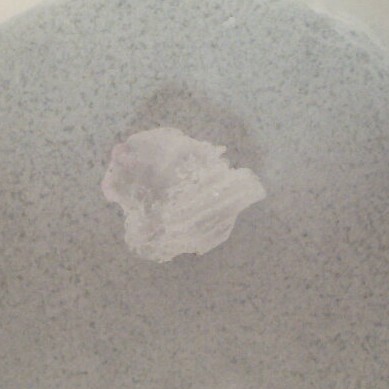 | Category: Stimulant Colourless Crystal | Methamphetamine |
| Fentanyl: Negative Benzodiazepine: Negative | Vancouver, BC | 06/15/2024 | |||||||||||
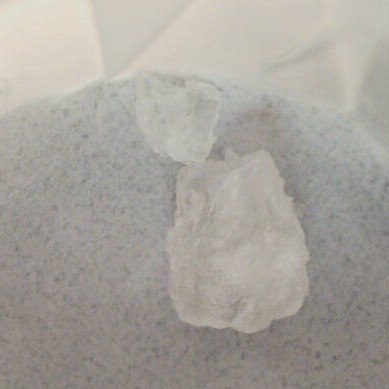 | Category: Stimulant Colourless Crystal | Methamphetamine |
| Fentanyl: Negative Benzodiazepine: Negative | Vancouver, BC | 06/15/2024 | |||||||||||
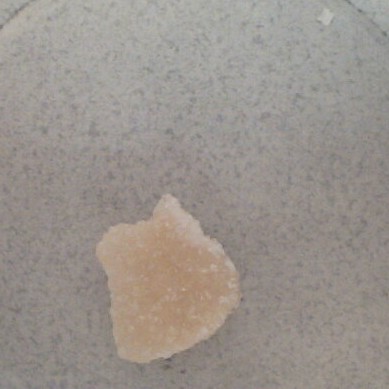 | Category: Unknown Light Brown Chunk | Unknown |
| Fentanyl: Negative Benzodiazepine: Negative | Vancouver, BC | 06/15/2024 | |||||||||||
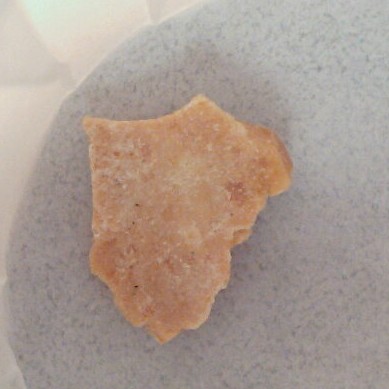 | Category: Opioid Brown Chunk | Down |
| Fentanyl: Positive Benzodiazepine: Negative | Vancouver, BC | 06/15/2024 | |||||||||||
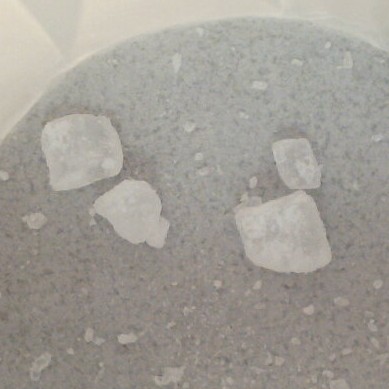 | Category: Psychedelic Colourless Crystal | Ketamine |
| Fentanyl: Negative | Vancouver, BC | 06/15/2024 | |||||||||||
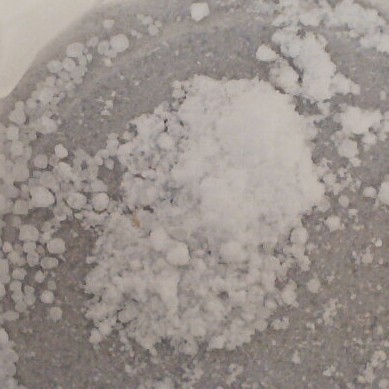 | Category: Unknown White Powder | Unknown |
| Fentanyl: Positive Benzodiazepine: Negative | Vancouver, BC | 06/15/2024 | |||||||||||
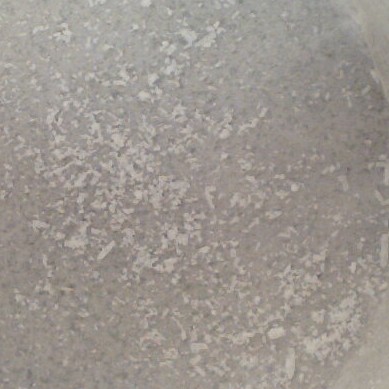 | Category: Psychedelic Colourless Crystal | Ketamine |
| Fentanyl: Negative | Vancouver, BC | 06/15/2024 | |||||||||||
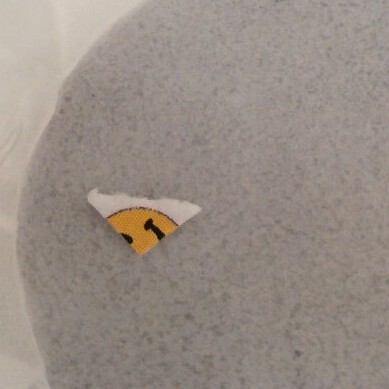 | Category: Psychedelic Yellow Blotter | LSD |
| Fentanyl: Negative Lysergamide: Positive | Vancouver, BC | 06/15/2024 | |||||||||||
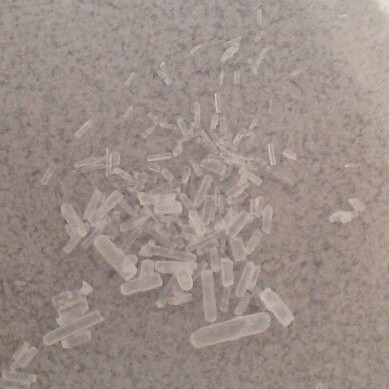 | Category: Unknown Colourless Crystal | Unknown |
| Fentanyl: Negative Benzodiazepine: Negative | Vancouver, BC | 06/15/2024 | |||||||||||
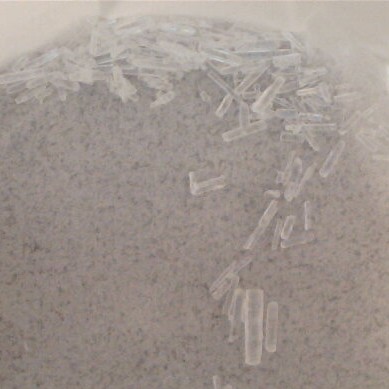 | Category: Unknown Colourless Crystal | Unknown |
| Fentanyl: Negative Benzodiazepine: Negative | Vancouver, BC | 06/15/2024 | |||||||||||
 | Category: Unknown White Tablet | Unknown |
| Fentanyl: Negative Benzodiazepine: Negative | Loratidine is a tricyclic antihistamine used to combat allergy symptoms, it is a “non-drowsy” alternative to other antihistamines such as benadryl, which cross the blood-brain barrier more readily. Sedation and headaches are commonly observed side effects that may still occur | Vancouver, BC | 06/15/2024 | ||||||||||
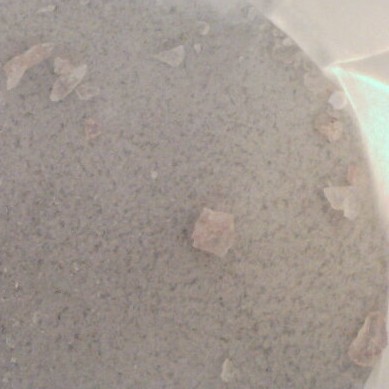 | Category: Psychedelic Light Grey Crystal | MDMA |
| Fentanyl: Negative | Vancouver, BC | 06/15/2024 | |||||||||||
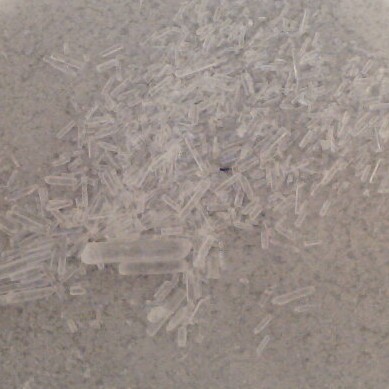 | Category: Unknown Colourless Crystal | Unknown |
| Fentanyl: Negative Benzodiazepine: Negative | Vancouver, BC | 06/15/2024 | |||||||||||
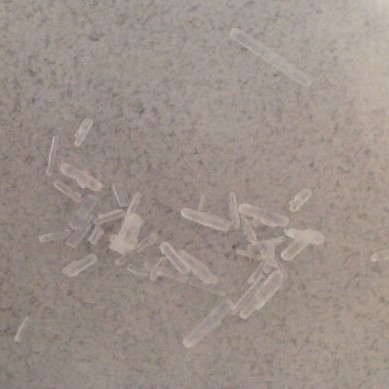 | Category: Unknown Colourless Crystal | Unknown |
| Fentanyl: Negative Benzodiazepine: Negative | Vancouver, BC | 06/15/2024 | |||||||||||
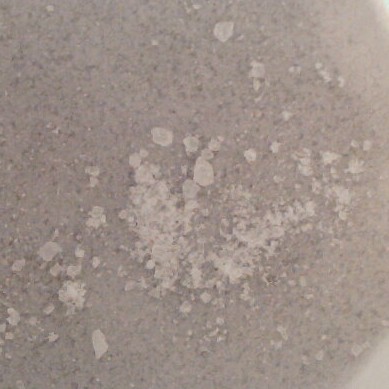 | Category: Unknown White Crystal | Unknown |
| Fentanyl: Negative Benzodiazepine: Negative | Vancouver, BC | 06/15/2024 | |||||||||||
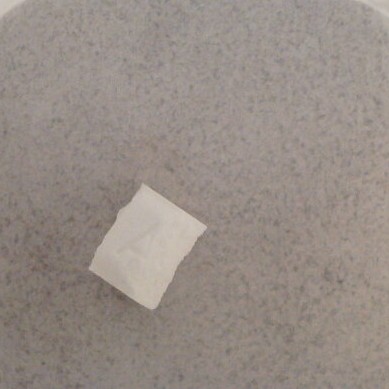 | Category: Depressant White Chunk | Etizolam |
| Fentanyl: Negative Benzodiazepine: Negative | Vancouver, BC | 06/15/2024 | |||||||||||
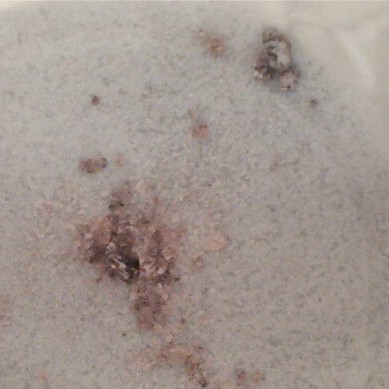 | Category: Unknown Purple Crystal | Unknown |
| Fentanyl: Negative Benzodiazepine: Negative | Vancouver, BC | 06/15/2024 | |||||||||||
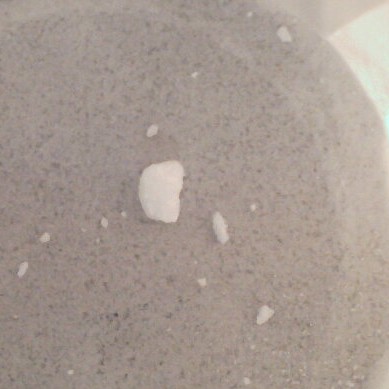 | Category: Unknown White Granules | Unknown |
| Fentanyl: Negative Benzodiazepine: Negative | Vancouver, BC | 06/15/2024 | |||||||||||
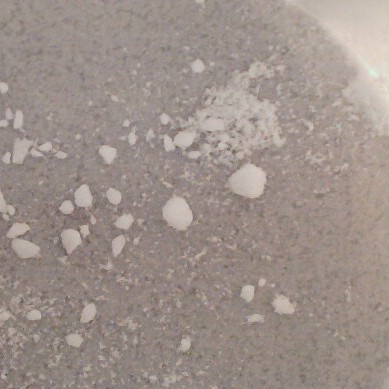 | Category: Unknown White Granules | Unknown |
| Fentanyl: Negative Benzodiazepine: Negative | Vancouver, BC | 06/15/2024 | |||||||||||
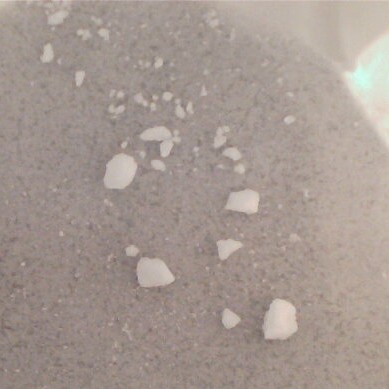 | Category: Unknown White Granules | Unknown |
| Fentanyl: Negative Benzodiazepine: Negative | Vancouver, BC | 06/15/2024 | |||||||||||
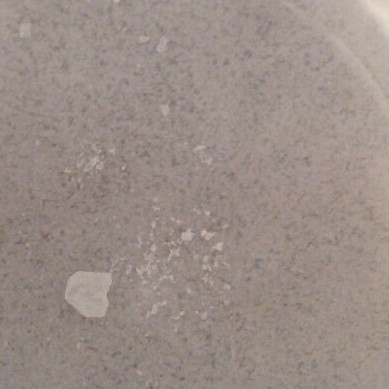 | Category: Unknown White Crystal | Unknown |
| Fentanyl: Negative Benzodiazepine: Negative | Vancouver, BC | 06/15/2024 | |||||||||||
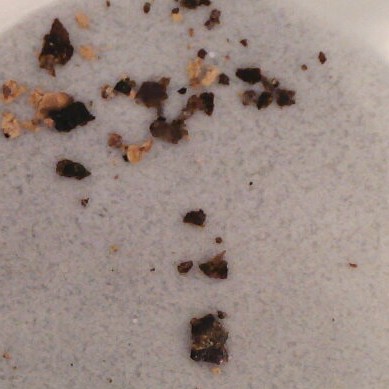 | Category: Unknown Dark Brown Residue | Unknown |
| Fentanyl: Positive Benzodiazepine: Positive | Vancouver, BC | 06/15/2024 | |||||||||||
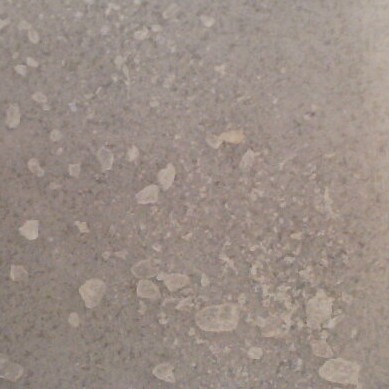 | Category: Psychedelic White Crystal | MDMA |
| Fentanyl: Negative | Vancouver, BC | 06/15/2024 | |||||||||||