
UNDERSTANDING TEST RESULTS:
The FTIR has a detection limit of approximately 5%. Substances below this level may not appear in results — even if they are toxic or affect the potency of your sample.
When possible, we may provide a percentage estimate based on what the FTIR detects. These numbers are generated by software and reflect only the visible components — not the full composition of the sample. The FTIR cannot isolate individual substances in complex mixtures, so any percentage estimates are approximate. They may not reflect actual potency, and similar-looking samples can yield different results – therefore we do not provide purity testing. Any percentages we offer are estimates based on the visible ingredients identified through FTIR spectroscopy. Since this method does not account for the entire sample, undetected ingredients below the detection threshold may influence the composition. The percentages are intended only as a general indication of how the identified ingredients are distributed within the sample. Due to this, any percentages provided cannot be used to calculate milligram quantities within a sample. Our results should not be used to determine exact dosages.
Additionally, a sample may not reflect the full composition of a drug. For example, testing part of a pill may not represent the rest. Cross-contamination between samples stored together can also affect results.
When we detect only one substance, we don’t provide a percentage because other ingredients might still be present below the 5% detection limit.
Treat any percentage result as a rough guideline, not a precise measurement.
Tests highlighted in red indicate particularly dangerous or unexpected results. Flagged samples can alslo be viewed on our Alerts page.
We also use test strips to detect the presence of fentanyl, benzodiazapenes, and lysergamide (LSD).
CLICK HERE FOR THE LIMITATIONS AND WARNINGS ABOUT OUR DRUG ANALYSIS RESULTS.
Disclaimer:
The results provided are strictly for personal use and educational purposes. They must not be published, distributed, or shared publicly in any form. Unauthorized sharing, reproduction, or publication of these results is strictly prohibited and may result in disciplinary action.
If you find our results shared elsewhere, please be aware that such use is unauthorized and we do not condone it. Images or representations of our results can be easily replicated or altered online, potentially containing misleading or false information. We strongly recommend testing your own samples to ensure accuracy and reliability.
Be smart. Be safe. Know what you’re taking.
| Image | Details | Sold as | Results | Test strip results | Notes | Location | Date | ||||||||
|---|---|---|---|---|---|---|---|---|---|---|---|---|---|---|---|
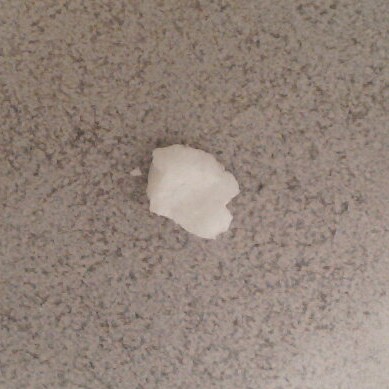 | Category: Stimulant White Pebble Code: phone | Cocaine |
| Fentanyl: Negative | Vancouver, BC | 10/24/2023 | |||||||||
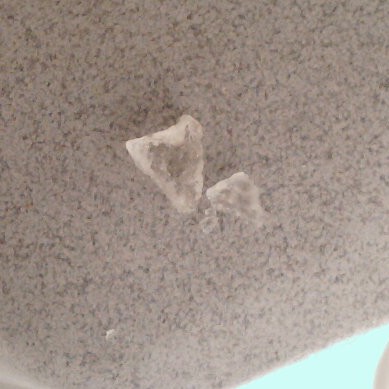 | Category: Psychedelic Colourless Pebble Code: phone | MDA |
| Fentanyl: Negative | Vancouver, BC | 10/24/2023 | |||||||||
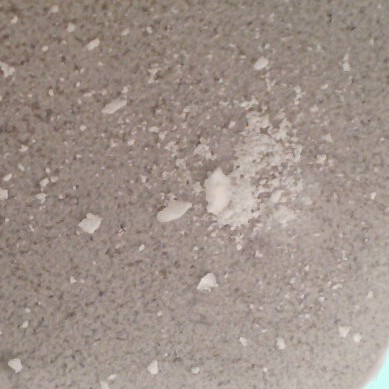 | Category: Opioid White Granules | Hydromorphone |
| Fentanyl: Negative Benzodiazepine: Negative | Vancouver, BC | 10/24/2023 | |||||||||
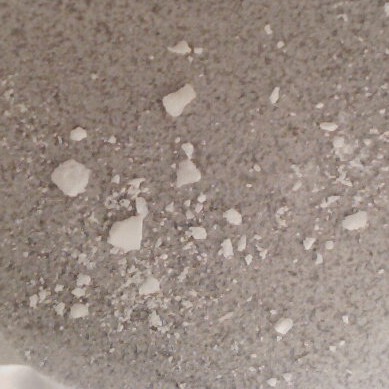 | Category: Opioid White Granules | Hydromorphone |
| Fentanyl: Negative Benzodiazepine: Negative | Vancouver, BC | 10/24/2023 | |||||||||
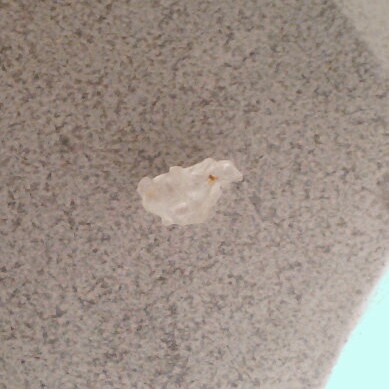 | Category: Psychedelic White Pebble Code: phone | MDMA |
| Fentanyl: Negative | Vancouver, BC | 10/24/2023 | |||||||||
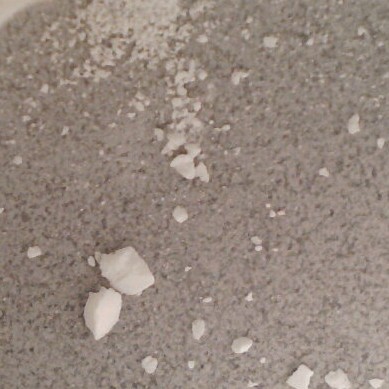 | Category: Opioid White Granules | Hydromorphone |
| Fentanyl: Negative Benzodiazepine: Negative | Vancouver, BC | 10/24/2023 | |||||||||
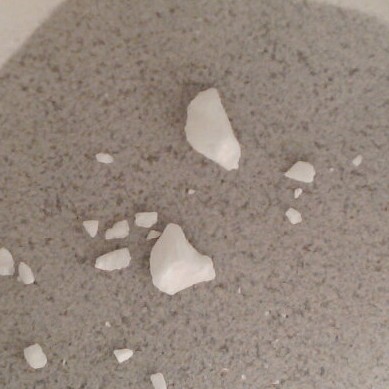 | Category: Stimulant White Granules Code: Pizza-C3 | Cocaine |
| Fentanyl: Negative | Vancouver, BC | 10/24/2023 | |||||||||
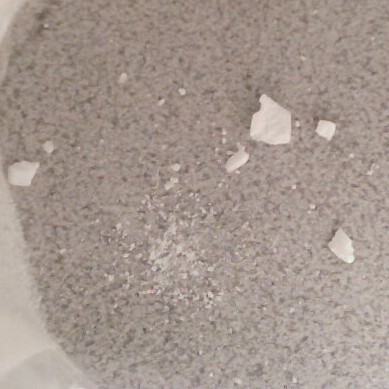 | Category: Opioid White Granules | Hydromorphone |
| Fentanyl: Negative Benzodiazepine: Negative | Vancouver, BC | 10/24/2023 | |||||||||
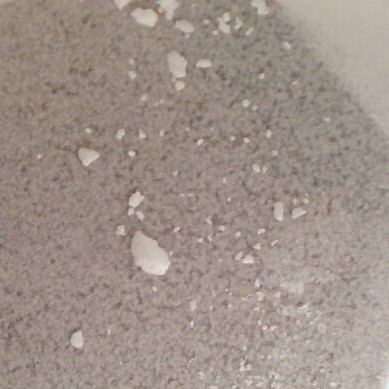 | Category: Opioid White Granules | Hydromorphone |
| Fentanyl: Negative Benzodiazepine: Negative | Vancouver, BC | 10/24/2023 | |||||||||
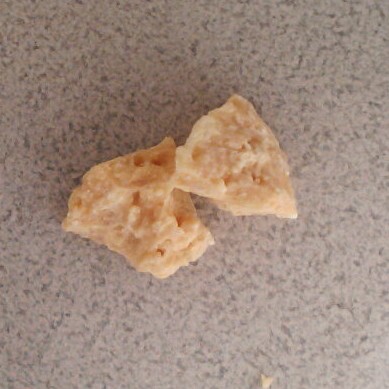 | Category: Opioid Light Brown Chunk | Down |
| Fentanyl: Positive Benzodiazepine: Positive | Vancouver, BC | 10/24/2023 | |||||||||
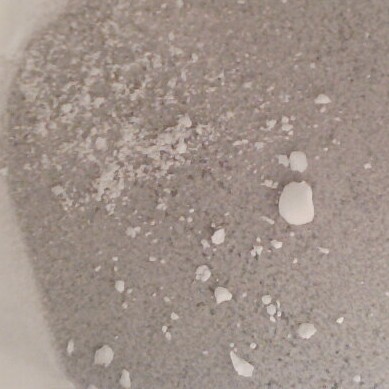 | Category: Opioid White Granules | Hydromorphone |
| Fentanyl: Negative Benzodiazepine: Negative | Vancouver, BC | 10/24/2023 | |||||||||
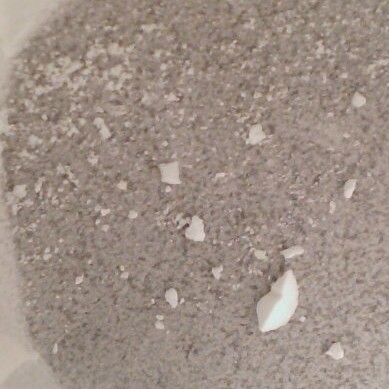 | Category: Opioid White Granules | Hydromorphone |
| Fentanyl: Negative Benzodiazepine: Negative | Vancouver, BC | 10/24/2023 | |||||||||
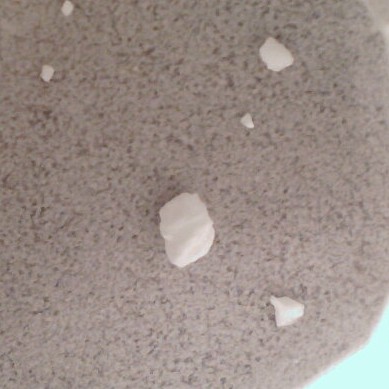 | Category: Stimulant White Granules Code: Pizza-C1 | Cocaine |
| Fentanyl: Negative | Vancouver, BC | 10/24/2023 | |||||||||
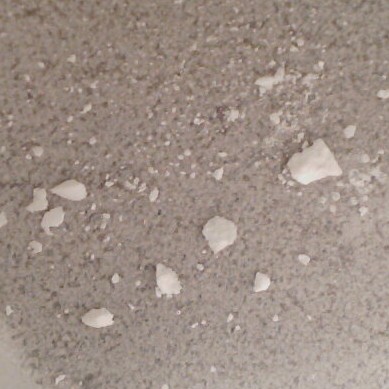 | Category: Opioid White Granules | Hydromorphone |
| Fentanyl: Negative Benzodiazepine: Negative | Vancouver, BC | 10/24/2023 | |||||||||
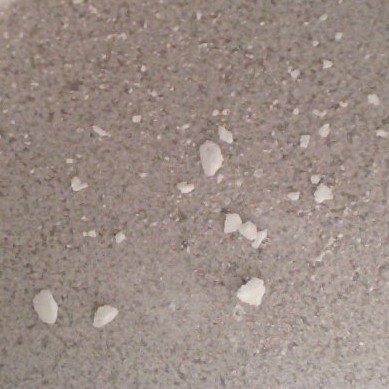 | Category: Opioid White Granules | Hydromorphone |
| Fentanyl: Negative Benzodiazepine: Negative | Vancouver, BC | 10/24/2023 | |||||||||
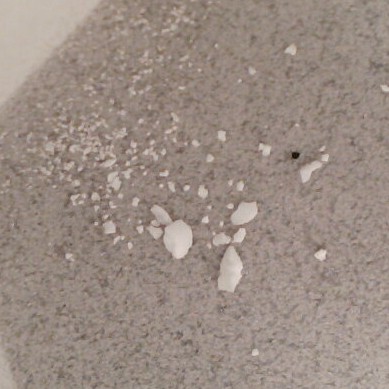 | Category: Opioid White Granules | Hydromorphone |
| Fentanyl: Negative Benzodiazepine: Negative | Vancouver, BC | 10/24/2023 | |||||||||
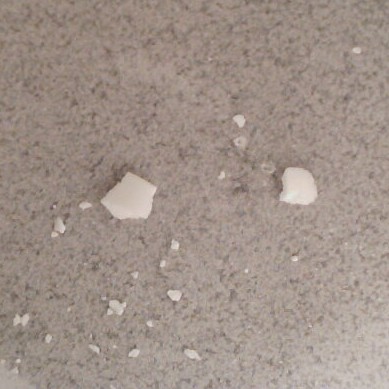 | Category: Opioid White Granules | Hydromorphone |
| Fentanyl: Negative Benzodiazepine: Negative | Vancouver, BC | 10/24/2023 | |||||||||
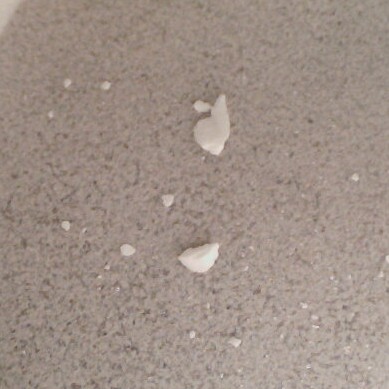 | Category: Opioid White Granules | Hydromorphone |
| Fentanyl: Negative Benzodiazepine: Negative | Vancouver, BC | 10/24/2023 | |||||||||
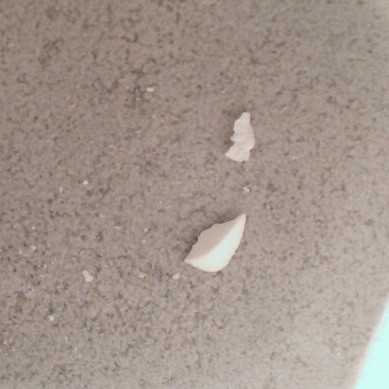 | Category: Opioid White Granules | Hydromorphone |
| Fentanyl: Negative Benzodiazepine: Negative | Vancouver, BC | 10/24/2023 | |||||||||
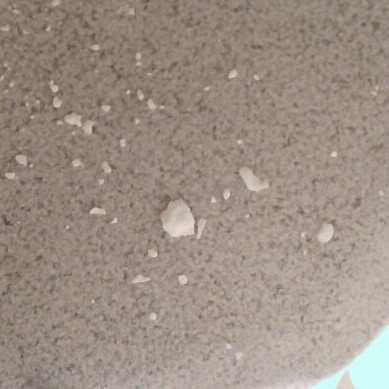 | Category: Opioid White Granules | Hydromorphone |
| Fentanyl: Negative Benzodiazepine: Negative | Vancouver, BC | 10/24/2023 | |||||||||
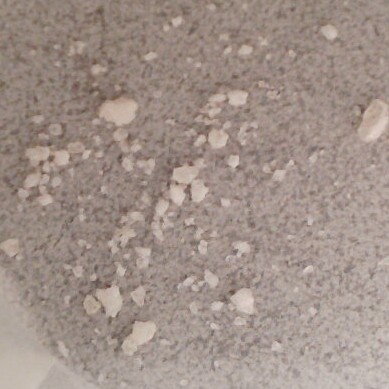 | Category: Psychedelic White Granules | MDMA |
| Fentanyl: Negative | Vancouver, BC | 10/24/2023 | |||||||||
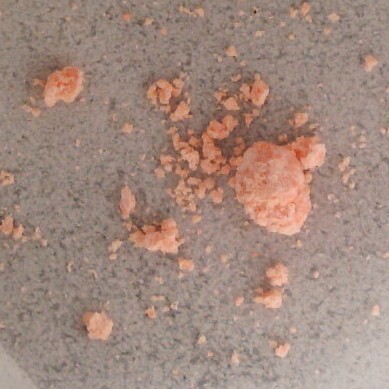 | Category: Opioid Pink Granules | Down |
| Fentanyl: Positive Benzodiazepine: Positive | This sample contains extremely high amounts of fentanyl and bromazolam. Combing opioids and benzodiazepines greatly increases the risk of complex overdose. | Vancouver, BC | 10/24/2023 | ||||||||
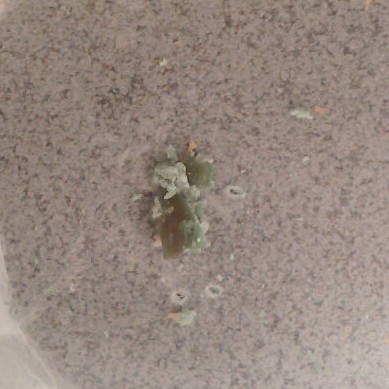 | Category: Opioid Green Granules | Down |
| Fentanyl: Positive Benzodiazepine: Positive | Vancouver, BC | 10/24/2023 | |||||||||
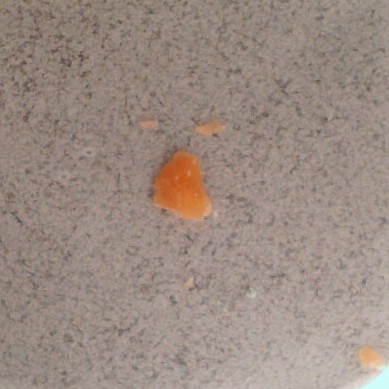 | Category: Opioid Orange Granules | Down |
| Fentanyl: Positive Benzodiazepine: Positive | Vancouver, BC | 10/24/2023 | |||||||||
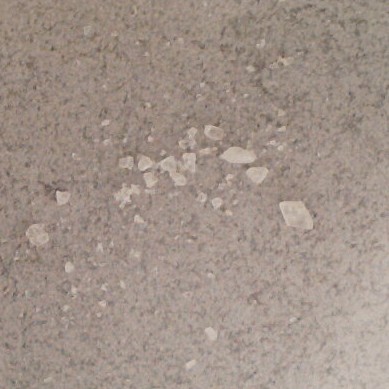 | Category: Psychedelic White Granules Code: Halloween | MDMA |
| Fentanyl: Negative | Vancouver, BC | 10/24/2023 | |||||||||
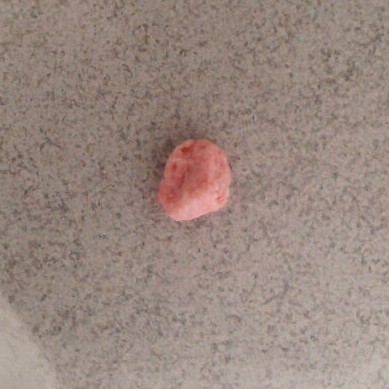 | Category: Opioid Pink Pebble | Down |
| Fentanyl: Positive Benzodiazepine: Negative | Vancouver, BC | 10/24/2023 | |||||||||
| Category: Psychedelic Light Blue Pebble | MDMA |
| Fentanyl: Negative | Vancouver, BC | 10/24/2023 | ||||||||||
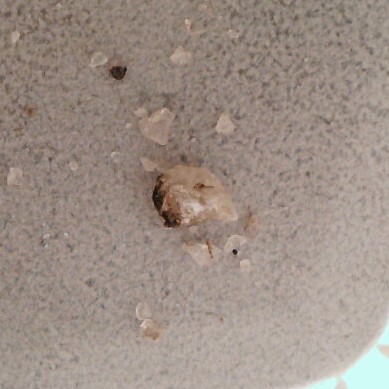 | Category: Psychedelic Light Grey Pebble | MDMA |
| Fentanyl: Negative | Vancouver, BC | 10/24/2023 | |||||||||
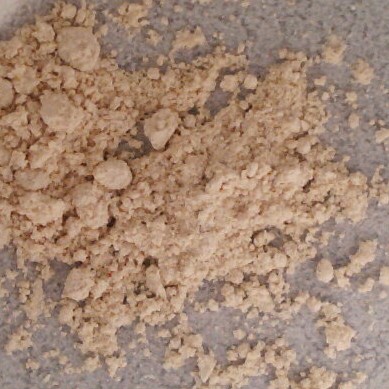 | Category: Opioid Light Brown Granules | Heroin |
| Fentanyl: Negative Benzodiazepine: Negative | Vancouver, BC | 10/24/2023 | |||||||||
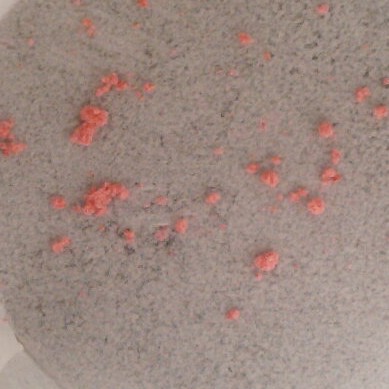 | Category: Psychedelic Pink Powder | 2C-B HCl |
| Fentanyl: Negative | This sample was submitted as 2C-B. Instead, this sample resembles a polysubstance mixture with inconsistent contents that is known as "tucci" or "tuccibi". This substance is often confused as or misrepresented as 2C-B due to their similar names but tucci mixes almost never contain 2C-B. | Vancouver, BC | 10/24/2023 | ||||||||
 | Category: Depressant Colourless Liquid Code: mcgill 2 | GHB |
| Fentanyl: Negative | The uncertain match in this appears to be a small amount of a related substance or precursor, such as 1,4-BDO. | Vancouver, BC | 10/24/2023 | ||||||||
 | Category: Depressant Colourless Liquid Code: mcgill 1 | GHB |
| Fentanyl: Negative | The uncertain match in this appears to be a small amount of a related substance or precursor, such as 1,4-BDO. | Vancouver, BC | 10/24/2023 | ||||||||
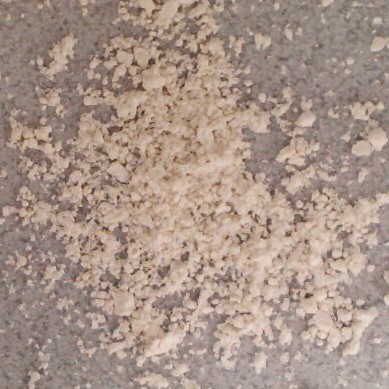 | Category: Opioid Light Brown Granules | Heroin |
| Fentanyl: Negative Benzodiazepine: Negative | Vancouver, BC | 10/24/2023 | |||||||||
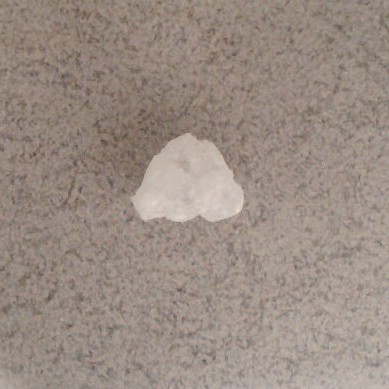 | Category: Psychedelic White Crystal Code: zelda D | Ketamine |
| Fentanyl: Negative | Vancouver, BC | 10/24/2023 | |||||||||
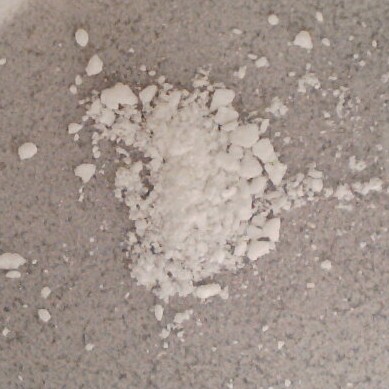 | Category: Stimulant White Powder Code: zelda C | Cocaine |
| Fentanyl: Negative | Vancouver, BC | 10/24/2023 | |||||||||
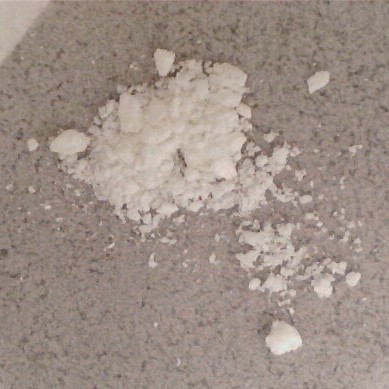 | Category: Stimulant White Powder Code: zelda B | Cocaine |
| Fentanyl: Negative | Vancouver, BC | 10/24/2023 | |||||||||
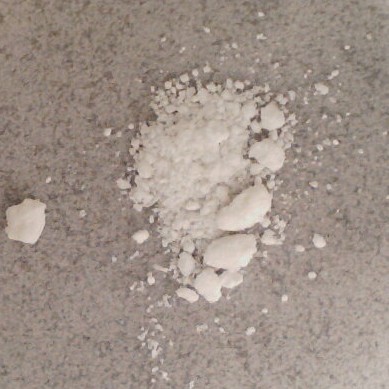 | Category: Stimulant White Powder Code: zelda A | Cocaine |
| Fentanyl: Negative | Vancouver, BC | 10/24/2023 | |||||||||
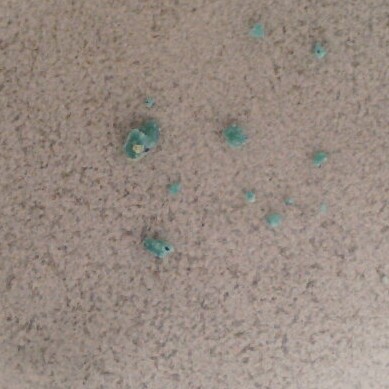 | Category: Opioid Blue Granules | Down |
| Fentanyl: Positive Benzodiazepine: Positive | Vancouver, BC | 10/24/2023 | |||||||||
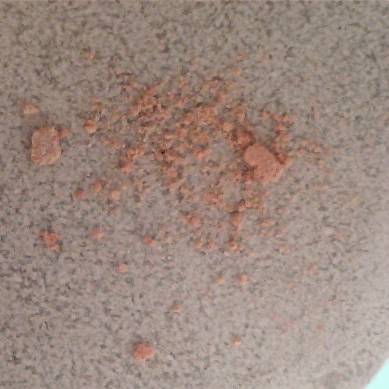 | Category: Opioid Light Red Granules | Down |
| Fentanyl: Positive Benzodiazepine: Positive | Vancouver, BC | 10/24/2023 | |||||||||
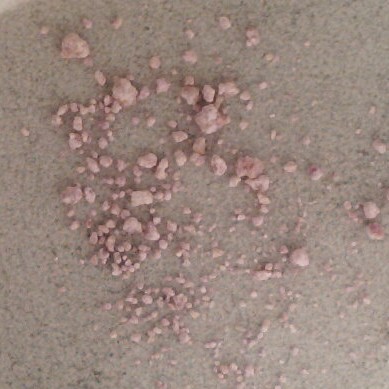 | Category: Opioid Light Purple Granules | Down |
| Fentanyl: Positive Benzodiazepine: Negative | Vancouver, BC | 10/24/2023 | |||||||||
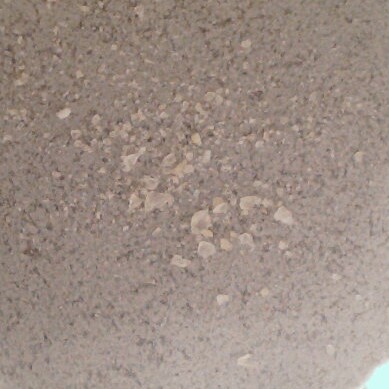 | Category: Psychedelic Light Yellow Granules Code: deepcove-C | MDMA |
| Fentanyl: Negative | Vancouver, BC | 10/24/2023 | |||||||||
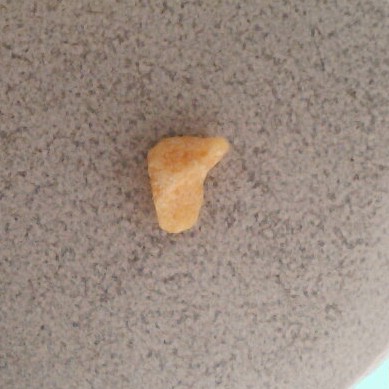 | Category: Opioid Light Brown Pebble | Down |
| Fentanyl: Positive Benzodiazepine: Negative | Vancouver, BC | 10/24/2023 | |||||||||
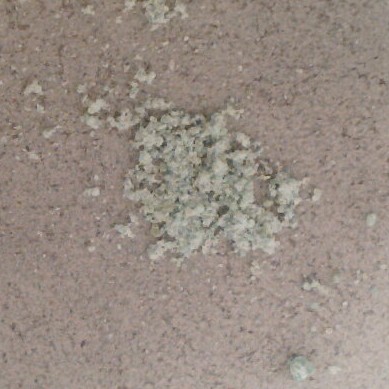 | Category: Psychedelic Light Blue Granules Code: deepcove-B | MDMA |
| Fentanyl: Negative | Vancouver, BC | 10/24/2023 | |||||||||
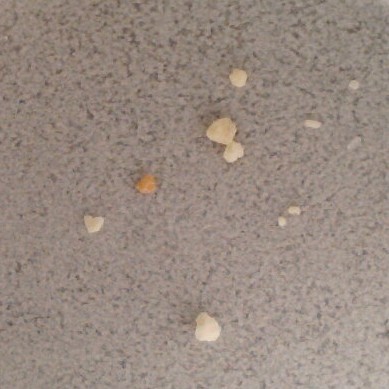 | Category: Opioid Light Brown Granules | Down |
| Fentanyl: Positive Benzodiazepine: Negative | Vancouver, BC | 10/24/2023 | |||||||||
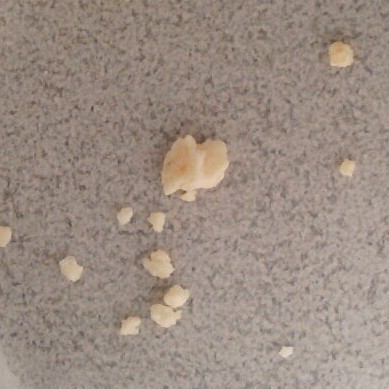 | Category: Opioid Light Brown Granules | Down |
| Fentanyl: Positive Benzodiazepine: Negative | Vancouver, BC | 10/24/2023 | |||||||||
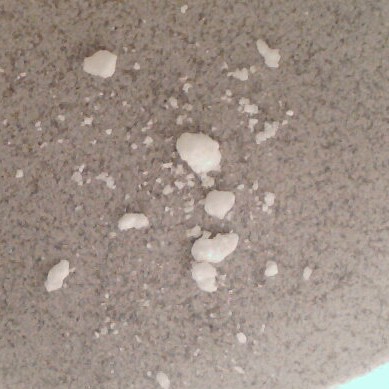 | Category: Stimulant White Granules Code: deepcove-A | Cocaine |
| Fentanyl: Negative | Vancouver, BC | 10/24/2023 | |||||||||
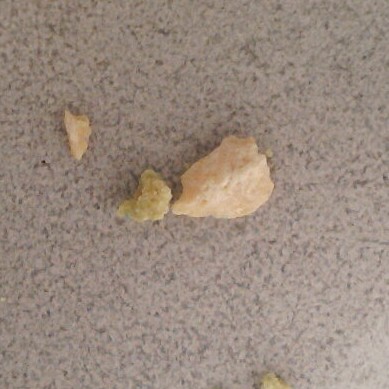 | Category: Opioid Light Brown Pebble | Down |
| Fentanyl: Positive Benzodiazepine: Negative | Vancouver, BC | 10/24/2023 | |||||||||
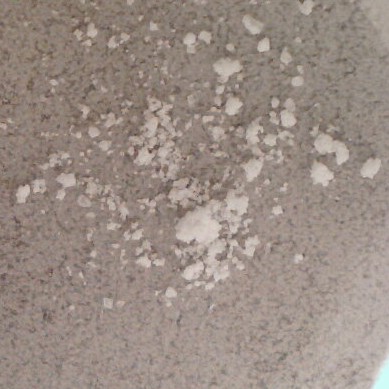 | Category: Psychedelic White Granules | Ketamine |
| Fentanyl: Negative | Vancouver, BC | 10/24/2023 | |||||||||
 | Category: Unknown Colourless Liquid | Unknown |
| Fentanyl: Negative | Vancouver, BC | 10/24/2023 | |||||||||
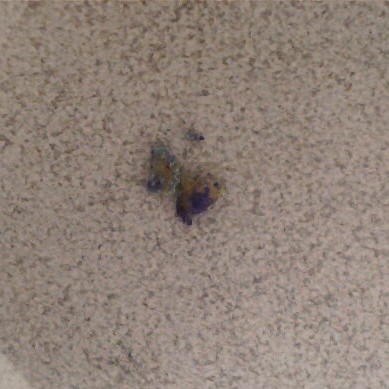 | Category: Opioid Green Granules | Down |
| Fentanyl: Positive Benzodiazepine: Negative | Vancouver, BC | 10/24/2023 | |||||||||