
UNDERSTANDING TEST RESULTS:
The FTIR has a detection limit of approximately 5%. Substances below this level may not appear in results — even if they are toxic or affect the potency of your sample.
When possible, we may provide a percentage estimate based on what the FTIR detects. These numbers are generated by software and reflect only the visible components — not the full composition of the sample. The FTIR cannot isolate individual substances in complex mixtures, so any percentage estimates are approximate. They may not reflect actual potency, and similar-looking samples can yield different results – therefore our results are not suitable for purity testing.
Undetected ingredients below the detection threshold may influence the composition. Any percentages listed intended only as a general indication of how the identified ingredients are distributed within the sample. Due to this, our results should not be used to determine exact dosages.
Additionally, a sample may not reflect the full composition of a drug. For example, testing a portion of a pill may not represent the rest of the pill, or other pills from the same batch. Cross-contamination between samples stored together can also affect results.
When we detect only one substance, we don’t provide a percentage because other ingredients might still be present below the 5% detection limit.
Treat any percentage result as a rough guideline, not a precise measurement.
Tests highlighted in red indicate particularly dangerous or unexpected results. Flagged samples can alslo be viewed on our Alerts page.
We also use test strips to detect the presence of fentanyl, benzodiazapenes, and lysergamide (LSD).
CLICK HERE FOR DETAILED LIMITATIONS AND WARNINGS ABOUT OUR DRUG ANALYSIS RESULTS.
Be smart. Be safe. Know what you’re taking.
| Image | Details | Sold as | Results | Test strip results | Notes | Location | Date | ||||||||
|---|---|---|---|---|---|---|---|---|---|---|---|---|---|---|---|
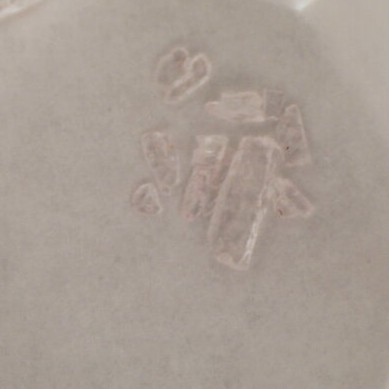 | Category: Stimulant Light Purple Crystal | Methamphetamine |
| Fentanyl: Negative | Vancouver, BC | 08/27/2025 | |||||||||
 | Category: Stimulant White Powder Code: test | Cocaine |
| Fentanyl: Negative | Benzocaine is a local anaesthetic used to treat minor pains. It is a common cut used in cocaine because it can look like a white powder and replicate the numbing effect of cocaine. It however does not have a stimulating effect, which may give the user the impression of high-quality cocaine, when in actuality the user is receiving a diluted product. Prolonged use is linked to a condition called methemoglobinemia, a condition preventing sufficient oxygen from getting to your cells. | Vancouver, BC | 08/27/2025 | ||||||||
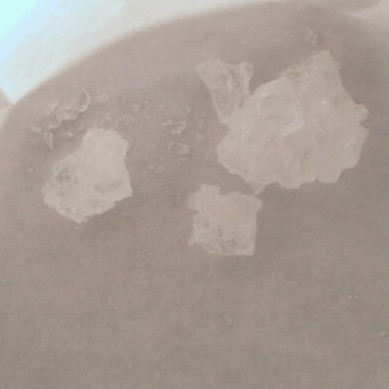 | Category: Psychedelic Colourless Crystal Code: chocolate (5) | MDA |
| Fentanyl: Negative | Vancouver, BC | 08/27/2025 | |||||||||
 | Category: Opioid Light Green Powder | Fentanyl |
| Fentanyl: Positive Benzodiazepine: Positive | The large uncertain match could not be identified. | Vancouver, BC | 08/27/2025 | ||||||||
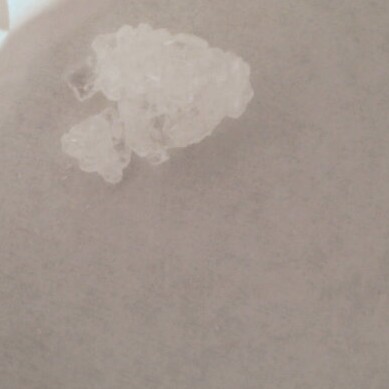 | Category: Psychedelic Colourless Crystal Code: chocolate (4) | MDA |
| Fentanyl: Negative | Vancouver, BC | 08/27/2025 | |||||||||
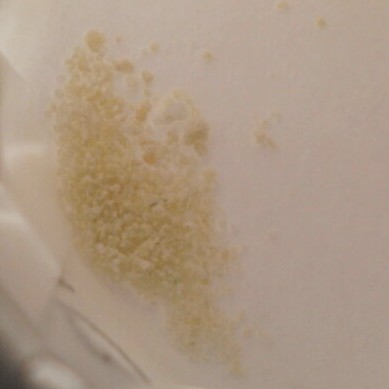 | Category: Opioid Light Green Powder | Fentanyl |
| Fentanyl: Positive Benzodiazepine: Positive | The large uncertain match could not be identified. | Vancouver, BC | 08/27/2025 | ||||||||
 | Category: Psychedelic Light Brown Powder | MDMA |
| Fentanyl: Negative | Vancouver, BC | 08/27/2025 | |||||||||
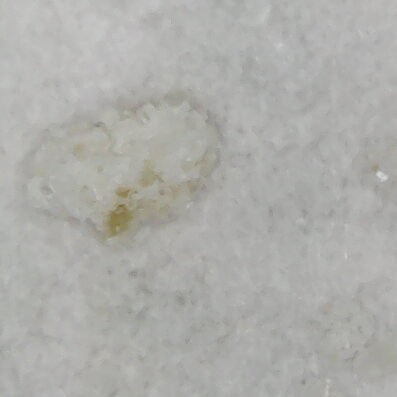 | Category: Psychedelic Light Brown Powder | MDMA |
| Fentanyl: Negative | Vancouver, BC | 08/27/2025 | |||||||||
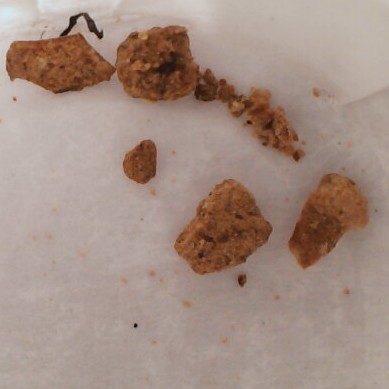 | Category: Opioid Brown Chunk Code: Potato | Down |
| Fentanyl: Negative Benzodiazepine: Negative | Uncertain match too small to identify | Vancouver, BC | 08/27/2025 | ||||||||
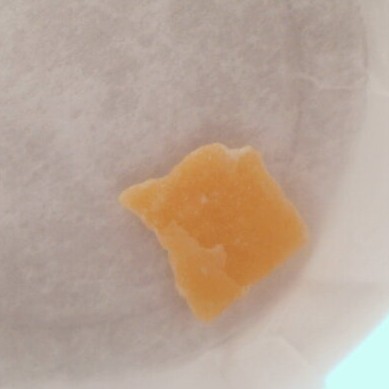 | Category: Opioid Orange Chunk Code: Potato | Down |
| Fentanyl: Positive Benzodiazepine: Positive | Uncertain match shares similarities with many benzodiazepenes | Vancouver, BC | 08/27/2025 | ||||||||
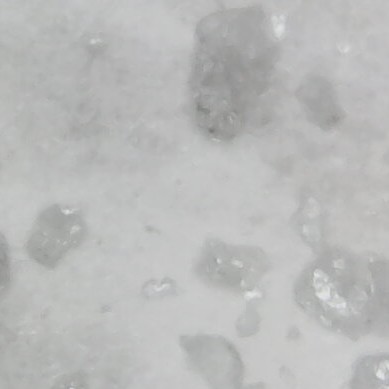 | Category: Psychedelic Light Purple Crystal Code: greencat | MDMA |
| Fentanyl: Negative | Vancouver, BC | 08/27/2025 | |||||||||
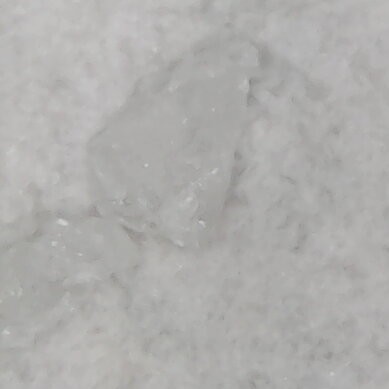 | Category: Psychedelic White Crystal Code: fruitloops | MDMA |
| Fentanyl: Negative | Vancouver, BC | 08/27/2025 | |||||||||
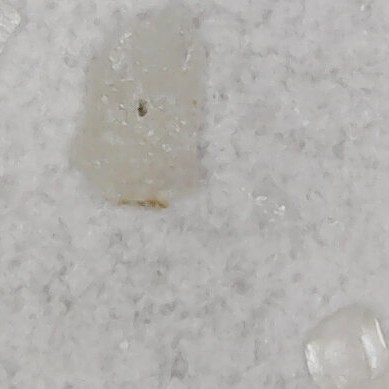 | Category: Psychedelic Light Brown Crystal | MDMA |
| Fentanyl: Negative | Vancouver, BC | 08/27/2025 | |||||||||
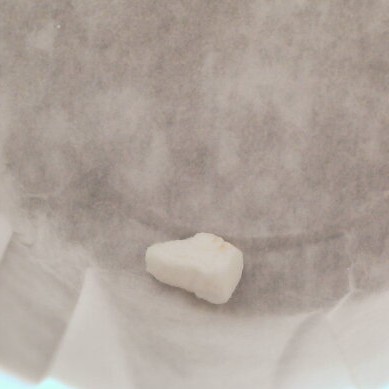 | Category: Depressant White Chunk Code: Potato | Alprazolam |
| Fentanyl: Negative Benzodiazepine: Positive | Uncertain match too small to identify on FTIR | Vancouver, BC | 08/27/2025 | ||||||||
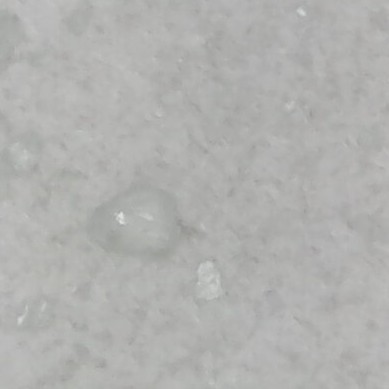 | Category: Psychedelic Light Blue Crystal | MDMA |
| Fentanyl: Negative | Vancouver, BC | 08/27/2025 | |||||||||
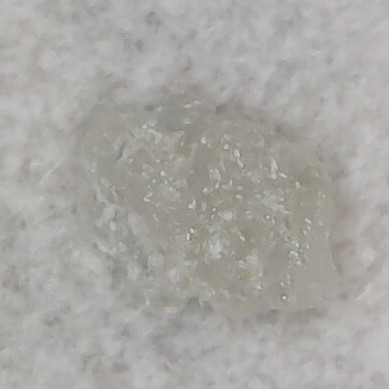 | Category: Psychedelic Light Yellow Crystal | MDMA |
| Fentanyl: Negative | MDA is often sold as or with MDMA and generally requires a smaller dose, so if unknowingly taken can result in a stronger effect than expected. | Vancouver, BC | 08/27/2025 | ||||||||
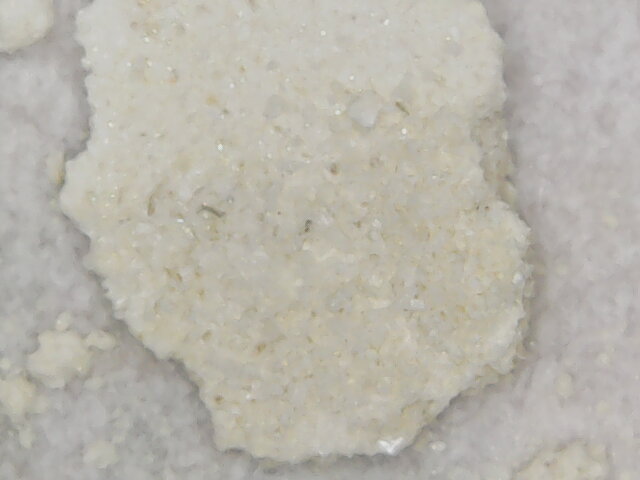 | Category: Opioid Light Brown Powder Code: prometheus 3 | Down |
| Fentanyl: Positive Benzodiazepine: Negative | The majority of this sample looks to be para-fluorofentanyl. | Vancouver, BC | 08/27/2025 | ||||||||
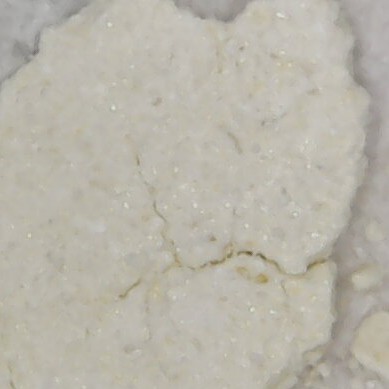 | Category: Opioid Light Brown Powder Code: prometheus 2 | Down |
| Fentanyl: Positive Benzodiazepine: Negative | The majority of this sample looks to be para-fluorofentanyl. | Vancouver, BC | 08/27/2025 | ||||||||
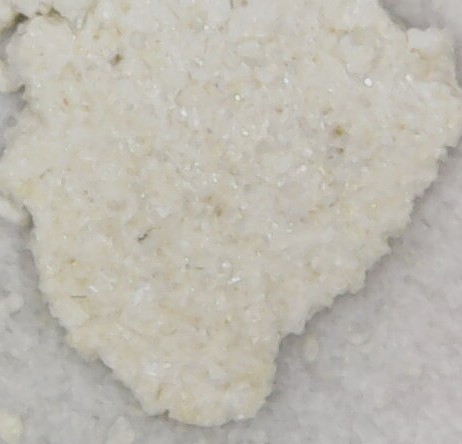 | Category: Opioid Light Brown Powder Code: prometheus 1 | Down |
| Fentanyl: Positive Benzodiazepine: Negative | The overwhelming majority of this sample looks to be para-fluorofentanyl. | Vancouver, BC | 08/27/2025 | ||||||||
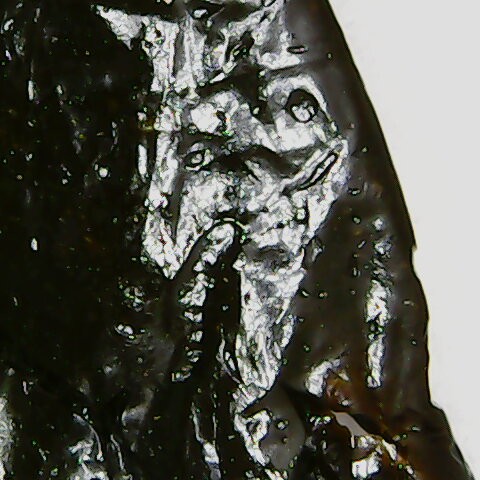 | Category: Opioid Dark Brown Organic | Opium |
| Fentanyl: Negative Benzodiazepine: Negative | This is an expected result for opium, as it is an organic compound and so oils and carbohydrates are expected as per the processing. | Vancouver, BC | 08/26/2025 | ||||||||
 | Category: Psychedelic Light Pink Powder Code: yolk | MDMA |
| Fentanyl: Negative | Vancouver, BC | 08/26/2025 | |||||||||
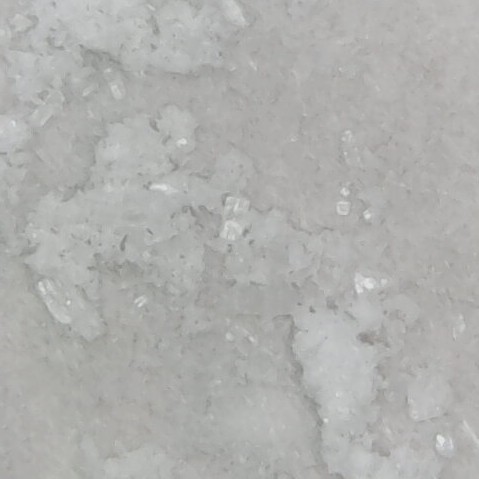 | Category: Psychedelic White Powder | Ketamine |
| Fentanyl: Negative | Vancouver, BC | 08/26/2025 | |||||||||
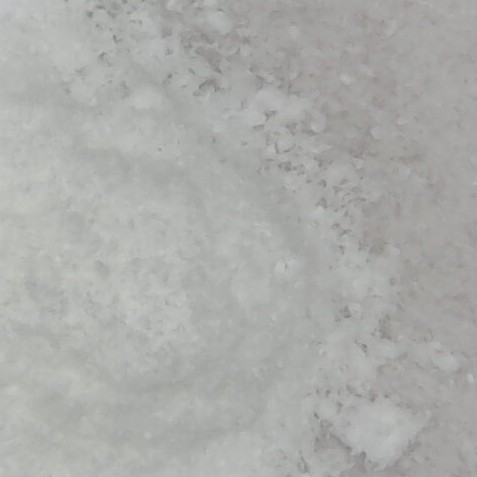 | Category: Stimulant White Powder | Amphetamine |
| Fentanyl: Negative | Active ingredients may be present below our limit of detection. | Vancouver, BC | 08/26/2025 | ||||||||
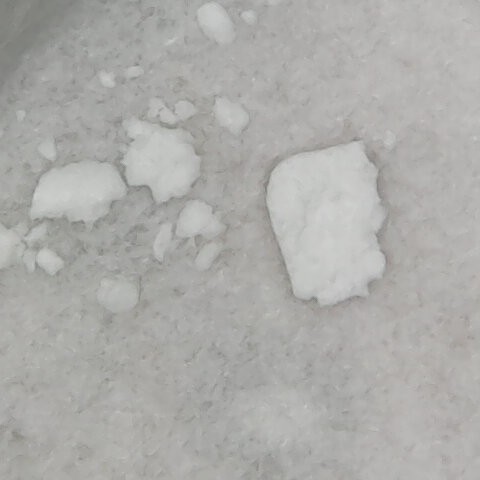 | Category: Depressant White Chunk | Alprazolam |
| Fentanyl: Negative Benzodiazepine: Positive | Vancouver, BC | 08/26/2025 | |||||||||
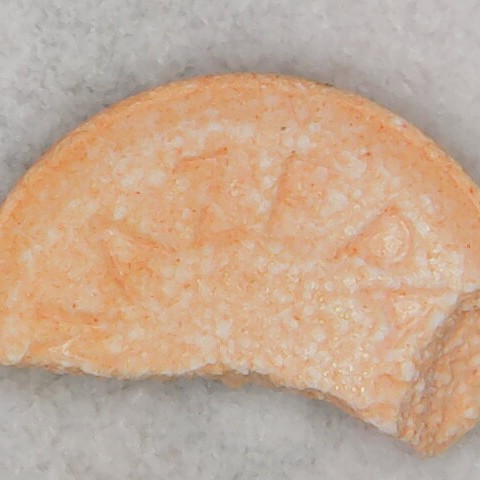 | Category: Depressant Orange Chunk | Clonazepam |
| Fentanyl: Negative Benzodiazepine: Positive | The uncertain match could not be identified as it was present in too low proportion to be able to identify. Active ingredients may be present below our limit of detection. | Vancouver, BC | 08/26/2025 | ||||||||
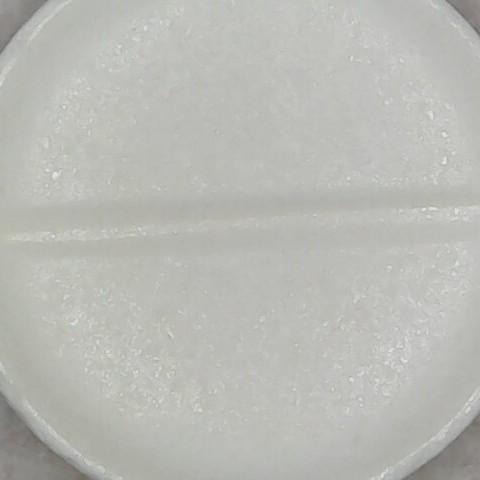 | Category: Opioid White Tablet Code: honey 2 | Oxycodone |
| Fentanyl: Negative Benzodiazepine: Negative | The uncertain match could not be identified as it was present in too low proportion to be able to identify. | Vancouver, BC | 08/26/2025 | ||||||||
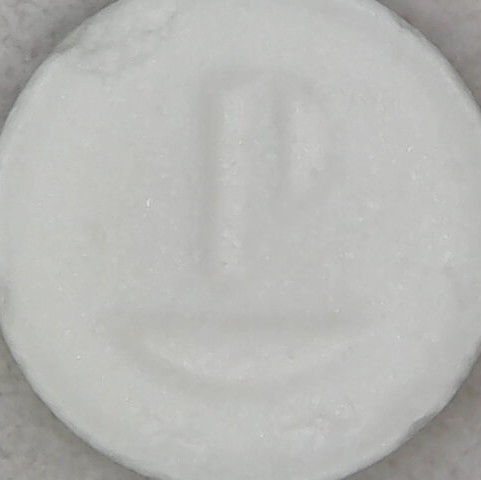 | Category: Opioid White Tablet Code: honey 1 | Oxycodone |
| Fentanyl: Negative Benzodiazepine: Negative | Imprint: P. The uncertain match shares similarities with methadone, but was present in too small proportion to be confirmed. No oxycodone was detected in this sample. | Vancouver, BC | 08/26/2025 | ||||||||
 | Category: Stimulant White Powder | Cocaine |
| Fentanyl: Negative | Vancouver, BC | 08/26/2025 | |||||||||
 | Category: Stimulant White Powder | Cocaine |
| Fentanyl: Negative | Vancouver, BC | 08/26/2025 | |||||||||
 | Category: Psychedelic Grey Crystal | MDMA |
| Fentanyl: Negative | Vancouver, BC | 08/26/2025 | |||||||||
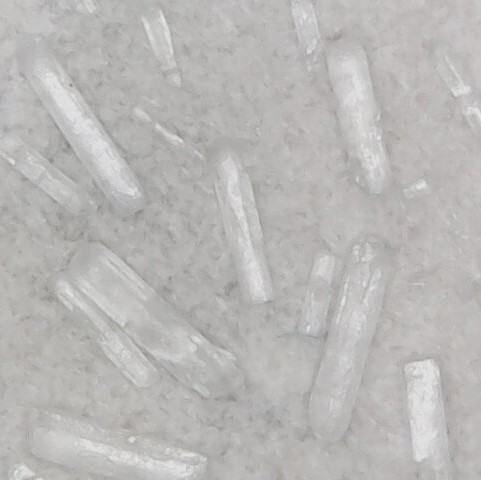 | Category: Psychedelic Colourless Crystal Code: spreadsheet | Ketamine |
| Fentanyl: Negative | Vancouver, BC | 08/26/2025 | |||||||||
 | Category: Stimulant White Powder Code: spreadsheet | Cocaine |
| Fentanyl: Negative | Vancouver, BC | 08/26/2025 | |||||||||
 | Category: Stimulant Orange Tablet Code: spreadsheet | Amphetamine |
| Fentanyl: Negative | Vancouver, BC | 08/26/2025 | |||||||||
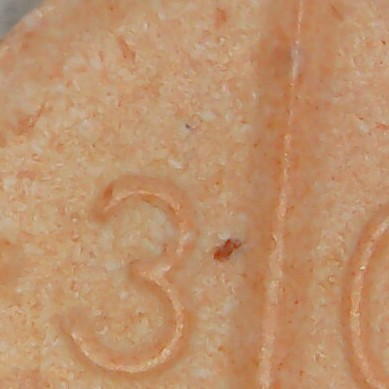 | Category: Depressant White Tablet Code: spreadsheet | Alprazolam |
| Fentanyl: Negative Benzodiazepine: Positive | Vancouver, BC | 08/26/2025 | |||||||||
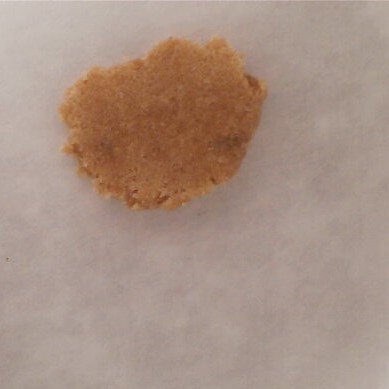 | Category: Opioid Brown Paste Code: potato | Down |
| Fentanyl: Positive Benzodiazepine: Negative | We only saw the fentanyl on the test strip so we are unable to specify which fentanyl analogue is present in this sample, and the quantity is likely small. Please be aware that this could include stonger fentanyl analogues such as carfentanil. Start with a small test dose, wait befor re-dosing, have naloxone handy, and try not to use alone. | Vancouver, BC | 08/25/2025 | ||||||||
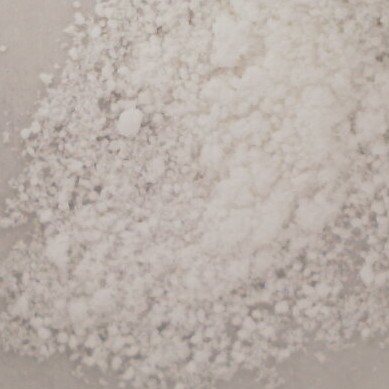 | Category: Other White Powder | Ligandrol |
| Fentanyl: Negative | Vancouver, BC | 08/25/2025 | |||||||||
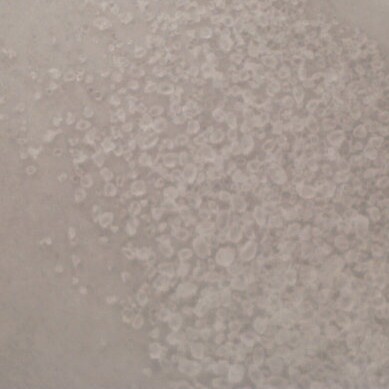 | Category: Other White Crystal | Oxandrolone |
| Fentanyl: Negative | Vancouver, BC | 08/25/2025 | |||||||||
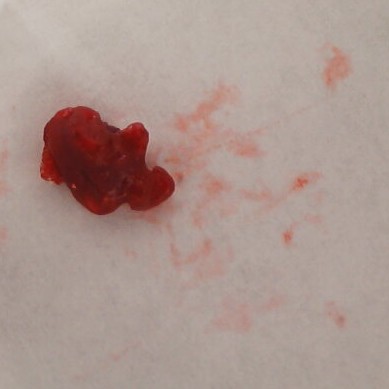 | Category: Other Red Paste | Ibutamoren |
| Fentanyl: Negative | Vancouver, BC | 08/25/2025 | |||||||||
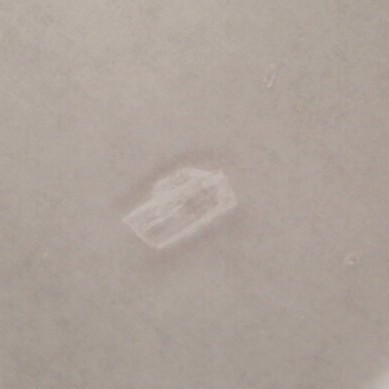 | Category: Stimulant Colourless Crystal Code: Butter Bean | Methamphetamine |
| Fentanyl: Negative | Vancouver, BC | 08/25/2025 | |||||||||
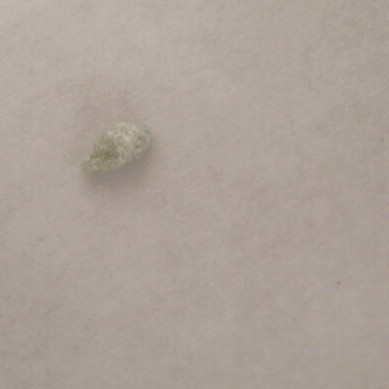 | Category: Opioid Green Pebble Code: Butter Bean | Down |
| Fentanyl: Positive Benzodiazepine: Positive | Vancouver, BC | 08/25/2025 | |||||||||
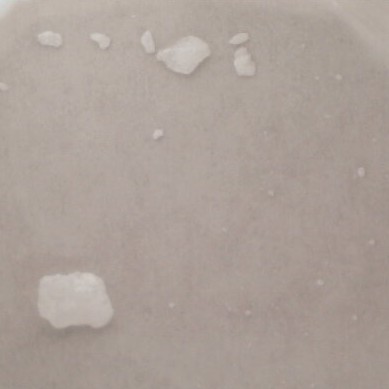 | Category: Stimulant White Flake | Cocaine |
| Fentanyl: Negative | Vancouver, BC | 08/25/2025 | |||||||||
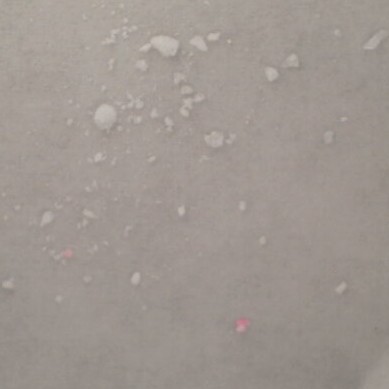 | Category: Stimulant White Flake | Cocaine |
| Fentanyl: Negative | Vancouver, BC | 08/25/2025 | |||||||||
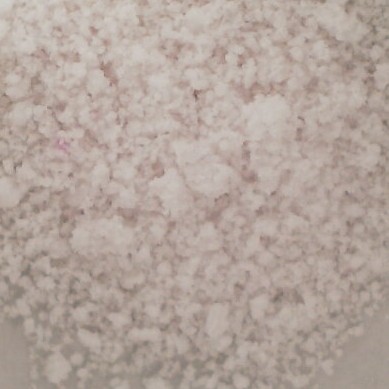 | Category: Unknown Light Grey Powder Code: JC22 | Unknown |
| Fentanyl: Negative Benzodiazepine: Negative | Vancouver, BC | 08/25/2025 | |||||||||
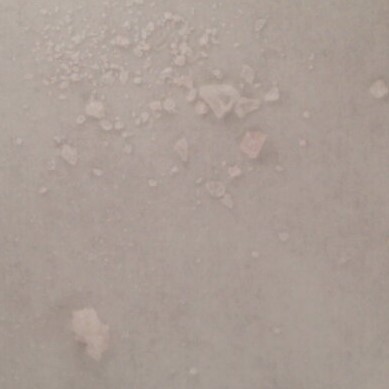 | Category: Psychedelic Light Purple Crystal | MDMA |
| Fentanyl: Negative | Vancouver, BC | 08/25/2025 | |||||||||
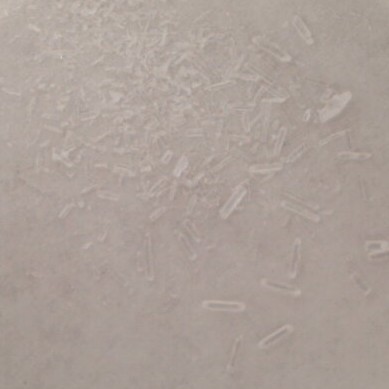 | Category: Psychedelic Colourless Crystal | Ketamine |
| Fentanyl: Negative | Vancouver, BC | 08/25/2025 | |||||||||
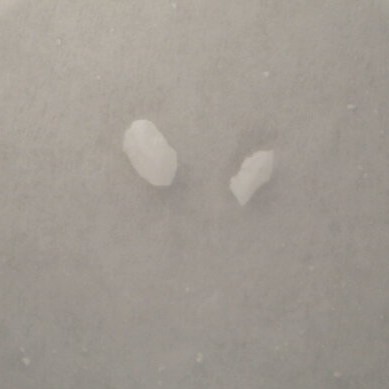 | Category: Stimulant White Pebble | Cocaine Base |
| Fentanyl: Negative | Vancouver, BC | 08/25/2025 | |||||||||
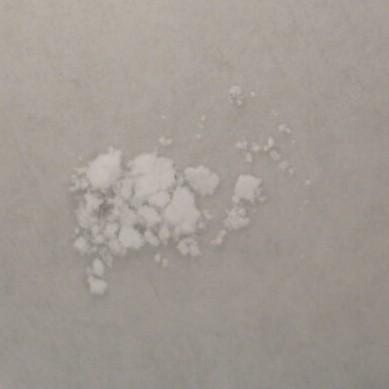 | Category: Psychedelic White Pebble | Ketamine |
| Fentanyl: Negative | Vancouver, BC | 08/25/2025 | |||||||||
 | Category: Psychedelic Colourless Crystal | Ketamine |
| Fentanyl: Negative | Vancouver, BC | 08/25/2025 | |||||||||
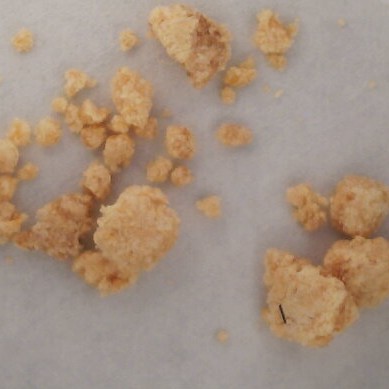 | Category: Opioid Light Brown Granules Code: Mango | Down |
| Fentanyl: Positive Benzodiazepine: Negative | The uncertain match in this sample is too small to accurately identify. | Vancouver, BC | 08/25/2025 | ||||||||
 | Category: Other White Powder Code: Helion | Ibutamoren |
| Fentanyl: Negative | This sample shares similarities with MK-677(Ibutamoren) but can not be confirmed as such. | Anonymous, CAN | 08/25/2025 | ||||||||